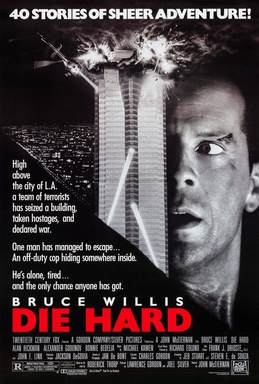
Die Hard
1988 - The template
The 1988 blueprint for the modern action movie: one man, one building, one impossibly quotable villain in Alan Rickman's Hans Gruber. Every 'Die Hard on a ___' pitch since exists because of it.
One building, one bus, one desert road — the action canon, ranked by what actually holds up.
The 1988 blueprint for the modern action movie: one man, one building, one impossibly quotable villain in Alan Rickman's Hans Gruber. Every 'Die Hard on a ___' pitch since exists because of it.
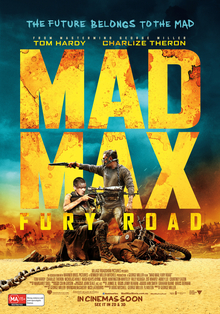
George Miller's 2015 return won 6 Academy Awards (from 10 nominations) and shot nearly all its stunts practically, largely in Namibia's desert. Widely cited as one of the greatest action films ever made.

James Cameron's 1991 sequel used groundbreaking CGI to bring the liquid-metal T-1000 to blockbuster scale and flipped Schwarzenegger into a protector. A rare sequel widely held to eclipse its classic original.

The 2014 Keanu Reeves vehicle revived 'gun-fu' with legible, long-take choreography from former-stuntmen directors Chad Stahelski and David Leitch, launching a four-film franchise. It reset the bar for hand-to-hand and firearm action.

James Cameron's 1986 sequel turned Ridley Scott's horror into relentless military action, earning Sigourney Weaver a rare Best Actress nomination for a genre film.

Spielberg and Lucas's 1981 adventure defined the pulp action-hero with Indiana Jones, from the boulder opener to the truck chase. It won four competitive Oscars plus a special achievement award.

Gareth Evans's Indonesian film (premiered at Toronto in 2011) showcased pencak silat in a brutal single-building assault, becoming an instant martial-arts touchstone worldwide.

The 2018 sixth entry features Tom Cruise's real HALO jump and helicopter piloting, and is among the best-reviewed action films of its decade.
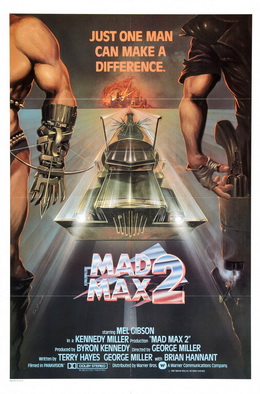
The 1981 sequel's tanker chase set the template for vehicular post-apocalyptic action and influenced everything from anime to blockbusters.
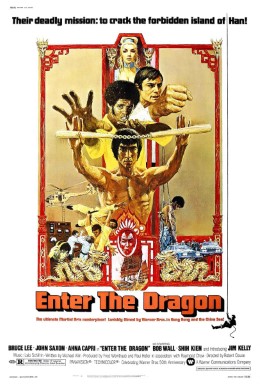
Bruce Lee's final completed film, released in 1973 weeks after his death, brought martial arts to a global mainstream audience and remains the genre's foundational classic.
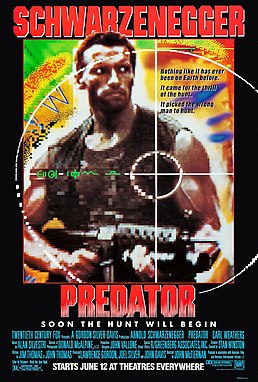
The 1987 jungle thriller pairs Schwarzenegger with an iconic alien hunter and endless quotable one-liners. A durable, testosterone-soaked crowd-pleaser.

The 1994 'bus that can't slow down' high-concept made stars of Reeves and Bullock and won two sound-related Oscars. Pure propulsive fun.

The 2007 threequel's shaky-cam realism and Waterloo Station sequence won three Oscars (editing, sound mixing, sound editing) and defined 2000s espionage action.

Ang Lee's 2000 wuxia epic won Best Foreign Language Film and became the highest-grossing foreign-language film in US box-office history, bringing wire-fu to Western audiences.

John Woo's 1997 gonzo actioner swaps Cage and Travolta's faces amid balletic gun battles. Excessive, operatic, and endlessly rewatchable.

Michael Bay's 2003 sequel is loud, expensive, and chaotic, epitomizing the maximalist 2000s buddy-cop action style for better and worse.

The 2009 fourth entry began the franchise's pivot toward absurd set-pieces, a fun-but-formulaic ride that leans on nostalgia over craft.

The 1985 sequel traded the original's grounded pathos for Reagan-era jingoism and body counts. Iconic, but a step down from First Blood.

The 2009 sequel is a notoriously incoherent, roughly 150-minute assault criticized for its plot, humor, and racial caricatures despite huge box office.
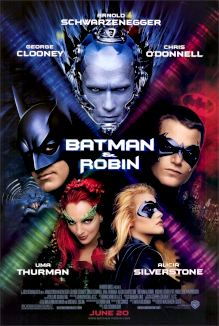
Joel Schumacher's 1997 neon disaster with nipple-suits and endless ice puns nearly killed the Batman franchise and routinely lands on worst-films lists.

The 2004 Halle Berry vehicle swept the Razzies including Worst Picture and Worst Actress, and is a byword for a botched comic-book action movie.
◆ Ranked on Tier Deck · browse all 296 lists · Privacy · Terms