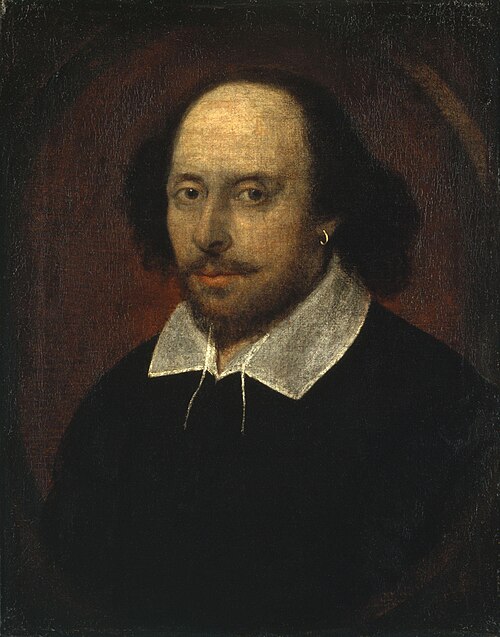
William Shakespeare
The Bard
Wrote roughly 37 plays and 154 sonnets and coined or popularized hundreds of English words and phrases still used today. No writer has shaped the language or the stage more.
The canon has a hierarchy. Here it is.
Wrote roughly 37 plays and 154 sonnets and coined or popularized hundreds of English words and phrases still used today. No writer has shaped the language or the stage more.

Author of 'War and Peace' and 'Anna Karenina', routinely cited as the greatest novelist of all time. His scope and psychological realism set the standard for the novel.
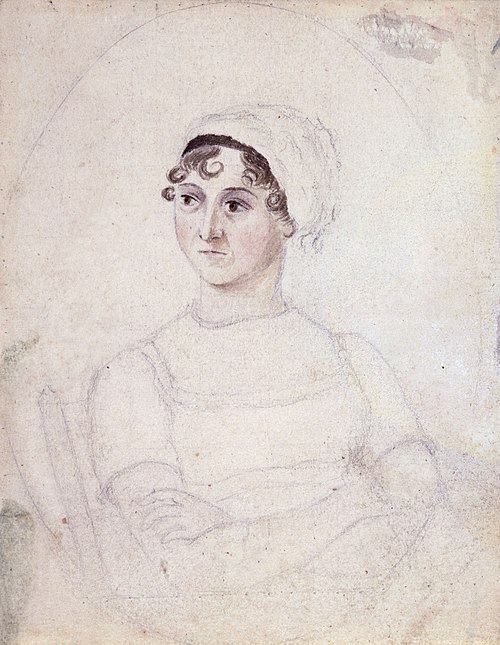
Six novels including 'Pride and Prejudice' and 'Emma' that pioneered free indirect discourse and remain perennial bestsellers two centuries later. She essentially invented the modern comedy of manners.

Wrote 'Crime and Punishment', 'The Brothers Karamazov', and 'Notes from Underground', laying groundwork for existentialism and modern psychology. Nietzsche and Freud both credited him as a source.

Created enduring novels like 'Great Expectations' and 'A Tale of Two Cities' and characters so iconic his name became an adjective. He was the most popular novelist of the Victorian era.
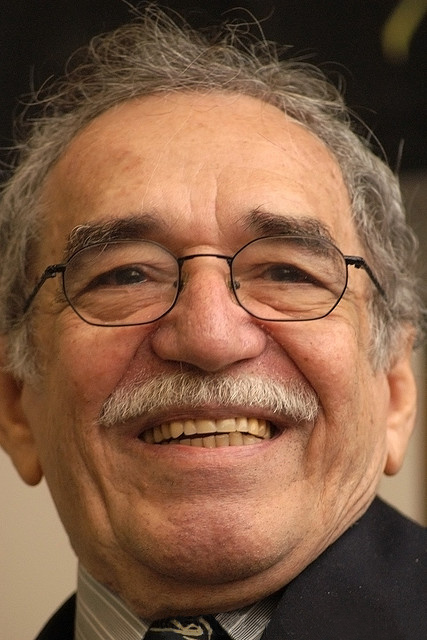
Won the 1982 Nobel Prize in Literature; 'One Hundred Years of Solitude' has sold over 50 million copies and defined magical realism. He reshaped Latin American and world fiction.

Won the 1993 Nobel Prize and the 1988 Pulitzer for 'Beloved', bringing the interior lives of Black America into the American canon. Her prose is as musical as it is unflinching.

'The Metamorphosis' and 'The Trial' gave us the word 'Kafkaesque' for absurd, dehumanizing bureaucracy. He predicted the anxieties of the modern age from a Prague insurance office.

A leading modernist whose 'Mrs Dalloway' and 'To the Lighthouse' perfected stream-of-consciousness narration. 'A Room of One's Own' is a foundational text of feminist criticism.

'Adventures of Huckleberry Finn' was called by Hemingway the source of all modern American literature. Twain pioneered writing in authentic American vernacular.

Won the 1954 Nobel Prize; his stripped-down prose style influenced generations of writers. 'The Old Man and the Sea' and 'A Farewell to Arms' remain touchstones.

'1984' and 'Animal Farm' are among the most-cited political novels ever, giving us 'Big Brother', 'doublethink', and 'Orwellian'. His essays remain models of clear prose.
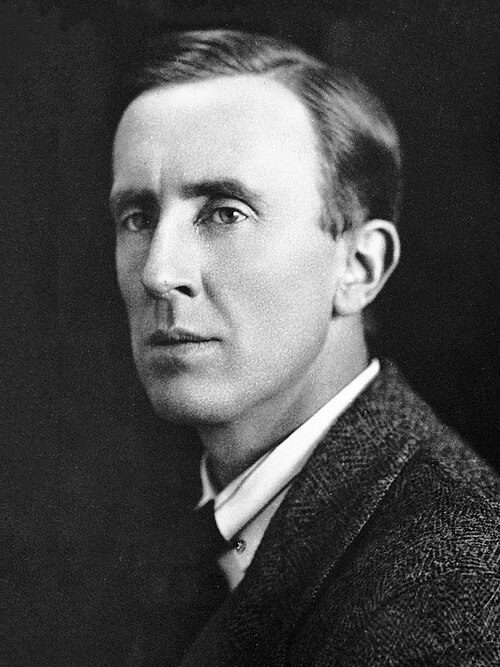
'The Lord of the Rings' essentially founded modern high fantasy and has sold over 150 million copies. A philologist, he invented entire languages for his world.

'Ulysses' is regularly voted the greatest novel of the 20th century, though it's famously difficult. He pushed modernist experimentation to its limit with 'Finnegans Wake'.

The best-selling novelist of all time with around two billion books sold, and creator of Poirot and Miss Marple. Peerless at plotting, if not at prose.

Has published over 60 novels and sold hundreds of millions of copies, with dozens adapted to film. Wildly prolific and influential, though uneven from book to book.

'The Alchemist' has sold over 65 million copies and made him one of the world's most translated living authors. Enormously popular, but critics often dismiss the fable-like prose as shallow.

'The Da Vinci Code' sold roughly 80 million copies, but critics and linguists (notably Geoffrey Pullum) have skewered his clunky prose and thin characterization. A page-turner, not a stylist.
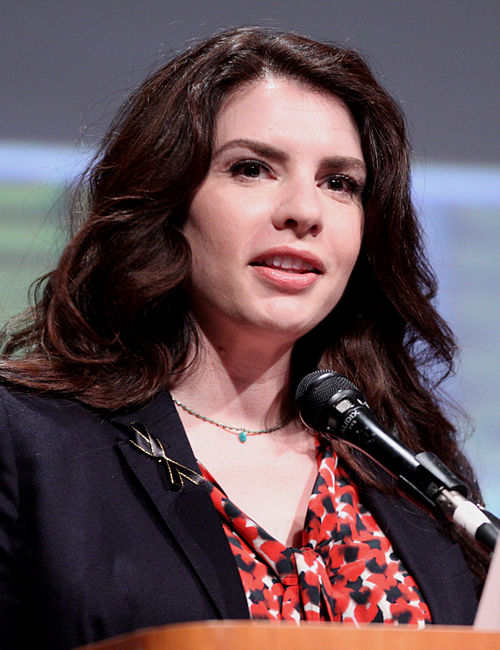
The 'Twilight' saga sold over 100 million copies and dominated 2000s YA, but is widely criticized for flat prose and troubling romantic dynamics. Cultural juggernaut, literary lightweight.

'Fifty Shades of Grey' began as 'Twilight' fan fiction and is routinely cited in worst-writing lists for its repetitive prose and dialogue. Massive sales, near-unanimous critical scorn.
◆ Ranked on Tier Deck · browse all 296 lists · Privacy · Terms