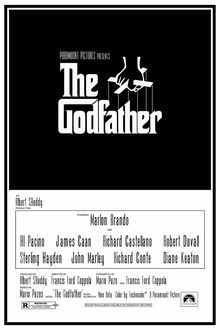
The Godfather
Mario Puzo, 1969
Won Best Picture at the 1973 Oscars, and Mario Puzo co-wrote the screenplay from his own bestseller, winning the Adapted Screenplay Oscar. Widely considered the gold standard of turning a pulpy novel into high art.
The page was never safe. Some films earned it — some torched it.
Won Best Picture at the 1973 Oscars, and Mario Puzo co-wrote the screenplay from his own bestseller, winning the Adapted Screenplay Oscar. Widely considered the gold standard of turning a pulpy novel into high art.
Adapted from Thomas Harris's novel, it swept all five major Academy Awards (Picture, Director, Actor, Actress, Screenplay) in 1992, one of only three films ever to do so. Anthony Hopkins defined Hannibal Lecter in barely 16 minutes of screen time.
Peter Jackson's adaptation of Tolkien's 'unfilmable' epic won four Oscars and launched a trilogy that took Best Picture in 2004. It set the template for faithful, large-scale fantasy filmmaking.
Built from King's short novella 'Rita Hayworth and Shawshank Redemption,' it flopped in theaters but became the #1-rated film on IMDb's Top 250. A rare case of the movie eclipsing the fame of its source.
The Coen brothers hewed remarkably close to McCarthy's spare prose and won Best Picture in 2008. Javier Bardem's Anton Chigurh took Best Supporting Actor.

Spielberg trimmed the novel's subplots to pure suspense and invented the summer blockbuster in 1975. Benchley himself co-wrote the screenplay and appears in a cameo.
A faithful rendering of Harper Lee's Pulitzer-winning novel, earning Gregory Peck the Best Actor Oscar for Atticus Finch. The AFI later named Atticus the greatest movie hero of the 20th century.
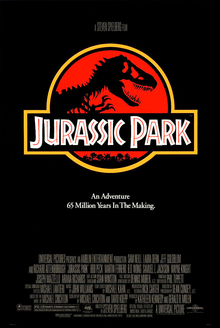
Crichton co-wrote the screenplay from his own techno-thriller, and Spielberg's dinosaurs redefined visual effects, winning three Oscars in 1994. The adaptation streamlined the science while keeping the awe intact.

Loosely adapted from 'Do Androids Dream of Electric Sheep?,' Ridley Scott's film underperformed on release but is now a cornerstone of science-fiction cinema. It reinvented the source's ideas rather than transcribing them.
David Fincher's adaptation of Palahniuk's debut novel flopped theatrically but became a defining cult film on home video. The author has said the movie improved on his book's ending.
Adapted from Winston Groom's satirical novel, it won Best Picture in 1995 and became a cultural phenomenon. The film softened the book's harder edges into a crowd-pleasing sweep of American history.
Gillian Flynn adapted her own bestselling thriller for David Fincher, preserving the twisty structure. Rosamund Pike earned a Best Actress nomination as Amy Dunne.
Alfonso Cuarón's entry is frequently cited by critics as the strongest of the Harry Potter films for its darker tone and visual craft. It trimmed the plot heavily but nailed the atmosphere.

Kubrick's film is a horror landmark, yet Stephen King has repeatedly disowned it for gutting his novel's characters and themes. A masterpiece of cinema and an infamous betrayal of the book at once.
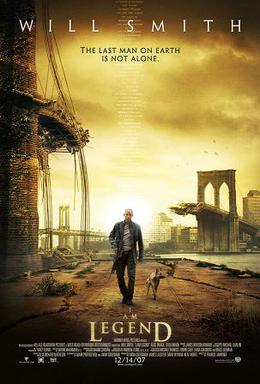
The Will Smith vehicle drew huge box office but jettisoned Matheson's central twist, whose original ending was cut after test screenings. It keeps the premise while losing the point.
Ron Howard's adaptation of Dan Brown's blockbuster grossed over $760 million worldwide but drew middling reviews for its stiff, expository pacing. Commercially unstoppable, critically inert.
Peter Jackson stretched Tolkien's slim children's book into a bloated three-film trilogy padded with invented material. The craft is there, but the source simply couldn't sustain it.

The Brad Pitt film keeps only the title and a zombie pandemic, discarding Max Brooks's acclaimed oral-history structure entirely. A troubled production with a reshot third act, it's an adaptation in name only.
The film aged up the characters and deviated so heavily from the book that author Rick Riordan publicly criticized it and refused to watch it. Fan backlash later fueled a faithful Disney+ reboot.

This adaptation of Paolini's fantasy novel was savaged by critics and fans alike for its rushed plot and cheap effects, holding a rock-bottom critical score. The planned sequels were quietly scrapped.
The live-action Mike Myers vehicle was so widely reviled that Dr. Seuss's widow Audrey Geisel refused to license any further live-action Seuss adaptations afterward. A byword for how to ruin a beloved book.
◆ Ranked on Tier Deck · browse all 296 lists · Privacy · Terms