
Carbon
The element of life
Every known living thing is built on a carbon backbone, and its bonds form both diamond (the hardest natural material) and soft graphite.
The periodic table has favorites. We said it.
Every known living thing is built on a carbon backbone, and its bonds form both diamond (the hardest natural material) and soft graphite.

Makes up about 21% of the atmosphere and is required for respiration and combustion; it's also the most abundant element in Earth's crust.

The lightest and most abundant element in the universe, making up roughly 75% of normal matter and powering stars through fusion.
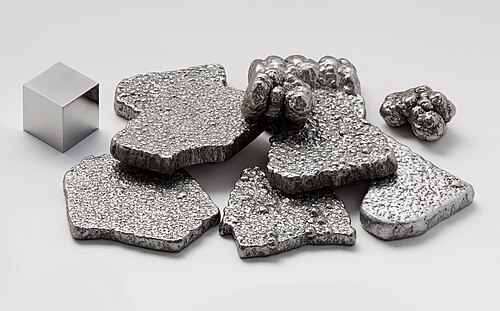
Forms Earth's core and the hemoglobin in your blood, and as the base of steel it literally named an age of civilization.

The second most abundant element in Earth's crust and the semiconductor foundation of every computer chip, plus the basis of glass.

Prized for millennia because it never corrodes or tarnishes, and it's an excellent electrical conductor used in electronics.

The second most abundant element in the universe; its extremely low boiling point makes it essential for cooling MRI magnets and rockets.

Makes up 78% of the air and is a core component of proteins and DNA; the Haber process fixes it into fertilizer that feeds billions.

One of the first metals humans ever worked, and its superb conductivity makes it the default choice for electrical wiring.

The lightest metal, it powers nearly all rechargeable batteries and is also a frontline treatment for bipolar disorder.

The fissile isotope U-235 fuels nuclear reactors and weapons, releasing enormous energy from tiny amounts of matter.

As strong as steel but roughly 45% lighter, and its corrosion resistance and biocompatibility make it ideal for implants and aircraft.

A reactive alkali metal that forms half of table salt and is essential for nerve signaling, though pure sodium explodes in water.
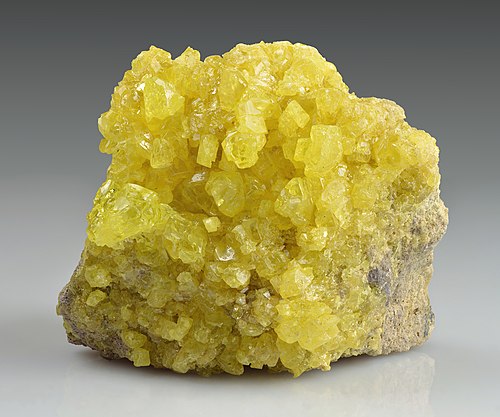
The pungent yellow element behind sulfuric acid, the most-produced industrial chemical, and the vulcanization that makes rubber usable.

An inert noble gas that reacts with nothing but glows a brilliant orange-red when charged, defining the look of the neon sign.

The only metal liquid at room temperature, but it's a potent neurotoxin that has been phased out of thermometers and many products.
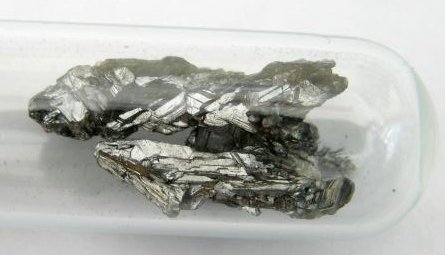
A classic tasteless poison used in countless historic murders, and today it contaminates groundwater for millions of people.

A cumulative neurotoxin that likely poisoned the Romans and, via leaded gasoline and paint, lowered IQ in a generation of children.

Intensely radioactive and chemically toxic, it exists mainly as a weapons material and was the fissile core of the Nagasaki bomb.

So radioactive it glows, with essentially no everyday use except infamy; it was used to assassinate Alexander Litvinenko in 2006.
◆ Ranked on Tier Deck · browse all 296 lists · Privacy · Terms