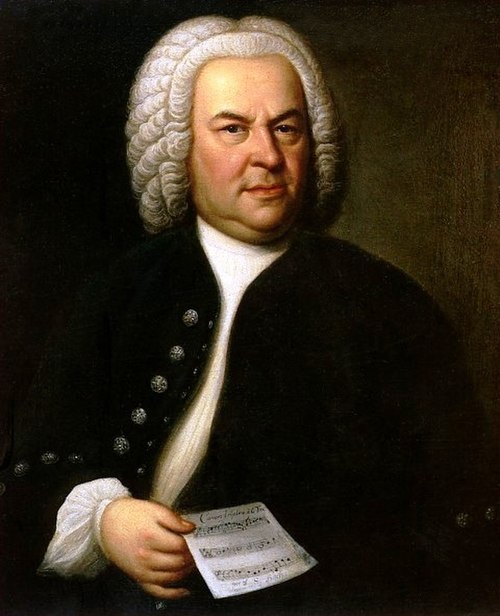
His counterpoint in works like the Mass in B minor and The Well-Tempered Clavier became the foundation every later composer studied. Bach is routinely cited as the bedrock of Western harmony and voice-leading.
Three centuries of genius, one brutal ladder.
His counterpoint in works like the Mass in B minor and The Well-Tempered Clavier became the foundation every later composer studied. Bach is routinely cited as the bedrock of Western harmony and voice-leading.
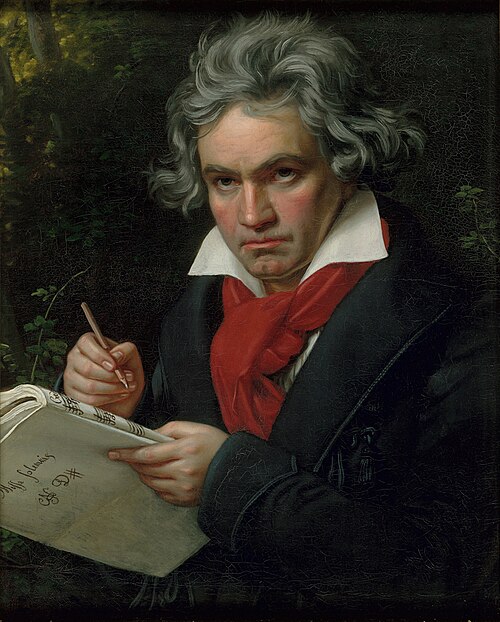
He bridged the Classical and Romantic eras and composed his final symphonies, including the Ninth with its 'Ode to Joy,' while almost completely deaf. His nine symphonies remain among the most performed works in history.
He wrote over 600 works across every genre before dying at 35, including The Marriage of Figaro and Don Giovanni. His melodic effortlessness set the benchmark for Classical-era perfection.
Long hailed as one of the 'Three Bs' alongside Bach and Beethoven, he fused strict formal discipline with Romantic warmth. His four symphonies and German Requiem are repertoire staples.
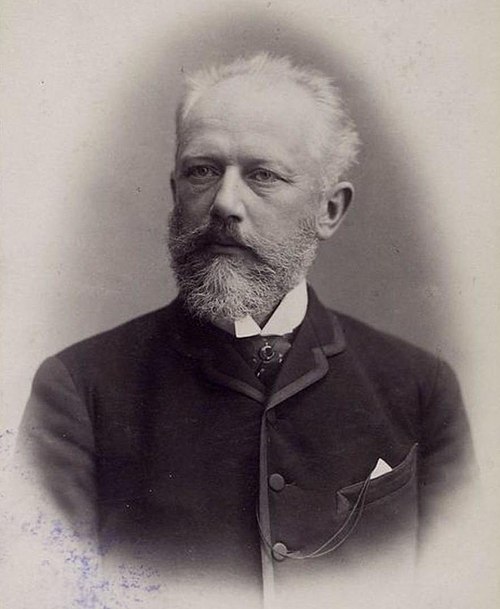
He composed the ballets Swan Lake, The Nutcracker, and Sleeping Beauty, which still dominate the world's ballet stages. His 1812 Overture and Piano Concerto No. 1 are among the most recognizable pieces ever written.
Almost his entire output is for solo piano, and his nocturnes, études, and ballades redefined the instrument's expressive range. He remains central to every concert pianist's repertoire.
Widely called the father of the German lied, he wrote over 600 songs plus the 'Unfinished' Symphony before dying at 31, raising the art song to a new expressive height. His melodic gift influenced the entire Romantic generation.
His Ring cycle spans roughly 15 hours and pioneered the leitmotif technique that shaped film scoring. His outsized influence is matched only by controversy over his antisemitic writings.
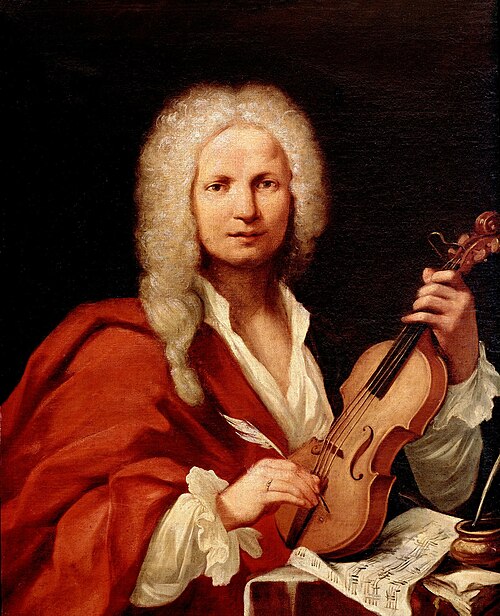
He wrote around 500 concertos, and The Four Seasons is among the most performed and recorded works in the classical canon. His concerto form heavily influenced Bach, who transcribed several of them.
He composed 104 symphonies and helped standardize the symphony and string quartet forms. He taught the young Beethoven and was a close friend and idol of Mozart, who dedicated six quartets to him.
His Prélude à l'après-midi d'un faune and Clair de lune broke from traditional harmony and opened the door to musical Impressionism. He reshaped how the 20th century thought about tone color.
His operas including La traviata, Rigoletto, and Aida are perennial fixtures of every major opera house. He dominated Italian opera for over half a century.
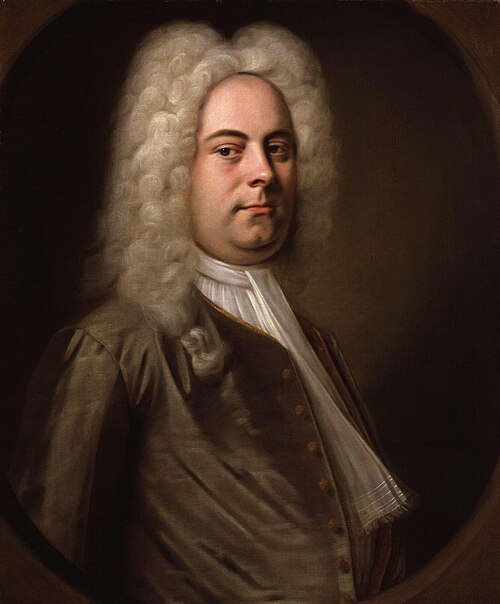
His oratorio Messiah, with the 'Hallelujah' chorus, has been performed continuously since its 1742 Dublin premiere. He defined the English Baroque and was a towering contemporary of Bach.
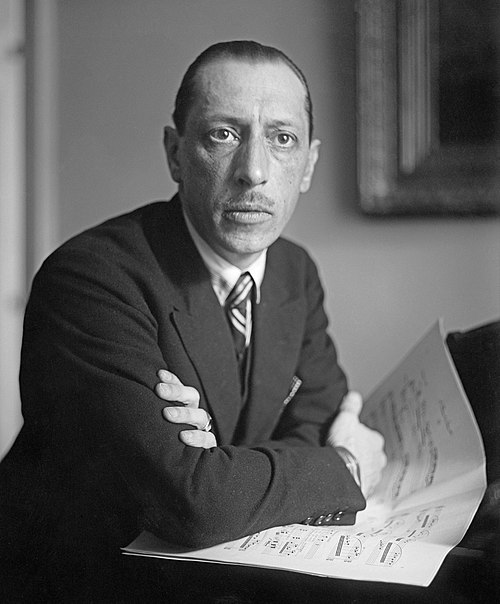
The 1913 premiere of his ballet The Rite of Spring caused a near-riot and rewrote the rules of rhythm and dissonance. He reinvented his style repeatedly across the 20th century.
His virtuosic piano works and public recitals triggered 'Lisztomania,' arguably the first modern celebrity fan frenzy. He also pioneered the symphonic poem.
His Piano Concerto No. 2 and Rhapsody on a Theme of Paganini remain audience favorites and pianistic Everests. He clung to lush Romanticism well into the modernist era.
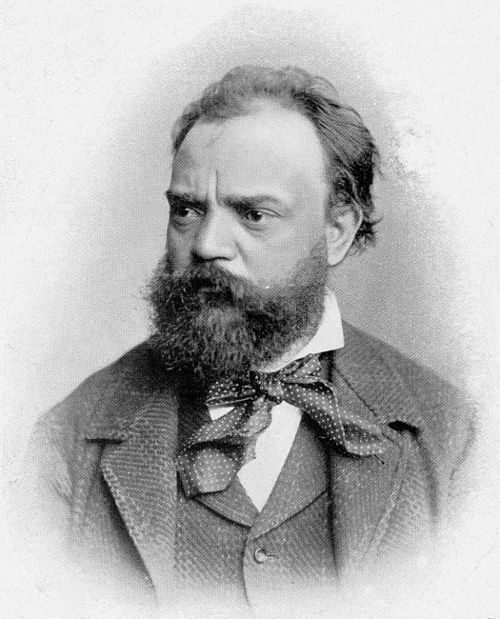
His Symphony No. 9, 'From the New World,' drew on American and Bohemian folk idioms and became a global staple. He championed nationalist Czech music.
His Gymnopédies are lovely and endlessly sampled, but his catalog is thin and deliberately minimal next to the giants. He's more a whimsical eccentric than a structural innovator.
A competent court composer whose actual music has largely vanished from the repertoire, remembered mainly as Mozart's supposed rival thanks to the play and film Amadeus. His notoriety vastly exceeds his lasting output.
◆ Ranked on Tier Deck · browse all 296 lists · Privacy · Terms