
Soy Sauce
Umami in a bottle
Fermented from soybeans in East Asia for over a thousand years, it delivers pure umami and is foundational to Chinese, Japanese, and Korean cooking.
The squeeze-bottle hierarchy, finally settled.
Fermented from soybeans in East Asia for over a thousand years, it delivers pure umami and is foundational to Chinese, Japanese, and Korean cooking.

Huy Fong's garlicky red chili sauce in the rooster bottle became a cult phenomenon, spawning cookbooks, a documentary, and countless imitators.

An emulsion of oil, egg yolk, and acid, it's the mother base for aioli, tartar, and ranch, and the top-selling condiment in the United States.

The sweet-tangy tomato staple is the world's most recognizable condiment and Heinz alone sells more than 650 million bottles a year.

Ground from mustard seeds, it ranges from mild American yellow to fiery Dijon and delivers big flavor with virtually no calories.

Made on Avery Island since 1868 from just aged tabasco peppers, salt, and vinegar, it's a three-ingredient classic sold in over 195 countries.
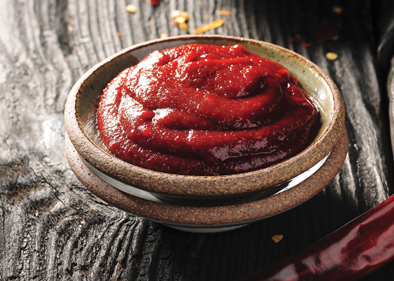
A thick Korean paste of chili, glutinous rice, and fermented soybeans, it balances sweet, spicy, and deeply savory in a single spoonful.
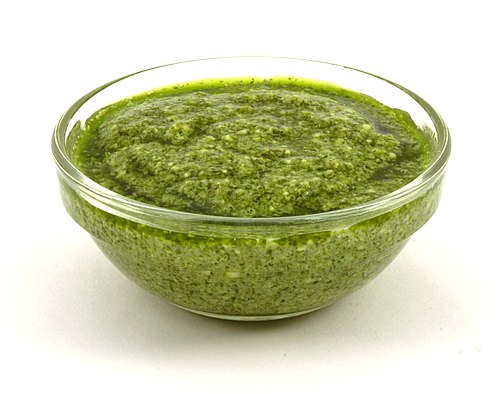
The Genoese sauce of basil, pine nuts, garlic, Parmesan, and olive oil is fresh and herbaceous, coating pasta without ever needing to cook.

This fresh tomato-and-chili blend famously overtook ketchup in U.S. retail dollar sales in the early 1990s and remains a party-table workhorse.

Sweet, smoky, and tangy, it splits into fierce regional camps from tomato-based Kansas City to vinegar-forward Carolina styles.

Rooted in Aztec cuisine, this creamy mashed-avocado dip is rich and satisfying but browns within hours, docking it points for shelf life.

A Levantine spread of blended chickpeas, tahini, lemon, and garlic that is protein-rich, creamy, and endlessly dippable.

Lea & Perrins' fermented blend of anchovies, tamarind, and vinegar is rarely used solo but adds savory depth to marinades, stews, and cocktails.

A bright Argentine blend of parsley, garlic, oregano, vinegar, and oil, it's the classic partner to grilled beef but limited beyond the grill.

Invented at a California dude ranch in the 1950s, it's the best-selling salad dressing in the U.S. and doubles as a dip for nearly everything.

Mayonnaise studded with pickles and capers, it's genuinely good but so narrowly tied to fried seafood that it rarely leaves the fish plate.
Chopped pickled cucumbers dyed bright green, sweet relish is a hot-dog staple but adds little beyond crunch and sugar elsewhere.

Grated from a pungent root, its wasabi-like burn hits the nose hard, but that intensity makes it a niche pick outside roast beef and cocktail sauce.

Heinz's sharp, vinegary mayo alternative launched in 1914 but has steadily lost ground to actual mayonnaise, and its thin tang wins few converts.

Kraft's 1933 'salad dressing' is a sweeter, tangier imitation that legally can't be called mayo, and it bitterly divides households for good reason.
◆ Ranked on Tier Deck · browse all 296 lists · Privacy · Terms