Created at Delhi's Moti Mahal in the 1950s, its tomato-butter-cream gravy became the world's default entry point into Indian food. It ranks among TasteAtlas' highest-rated curries and anchors nearly every Indian restaurant menu.
From velvet gravies to ketchup-doused sausage, every curry finally put in its place.
Created at Delhi's Moti Mahal in the 1950s, its tomato-butter-cream gravy became the world's default entry point into Indian food. It ranks among TasteAtlas' highest-rated curries and anchors nearly every Indian restaurant menu.
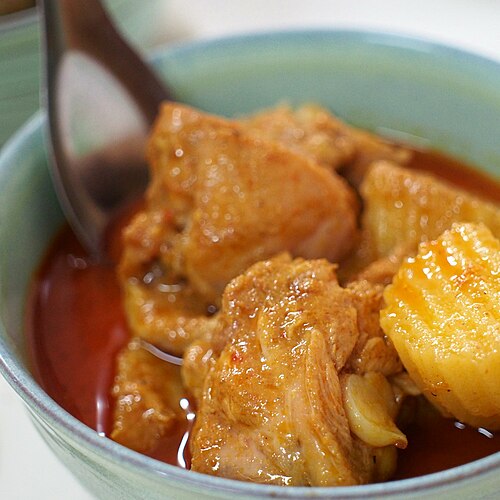
A Thai-Muslim curry of cardamom, cinnamon and peanuts that CNN Travel's editors ranked number one on their 2011 'World's 50 Best Foods' list. Its slow-braised richness is unlike any other Southeast Asian curry.
Thailand's kaeng khiao wan gets its color from fresh green chilies and herbs pounded into paste, balancing coconut, fish sauce and Thai basil. It is the most internationally recognized Thai curry.
A signature of Kashmiri cuisine, its deep red color traditionally comes from Kashmiri chilies and dried cockscomb flower, not tomato. The aromatic braised lamb is a cornerstone of Mughlai cooking.
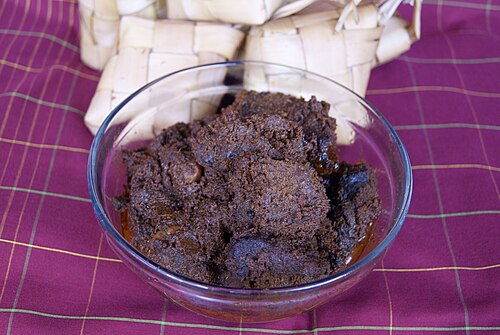
A Minangkabau dry curry from West Sumatra, slow-cooked for hours until the coconut liquid caramelizes onto the beef. It won CNN's 2011 'World's 50 Best Foods' reader poll of over 35,000 votes.
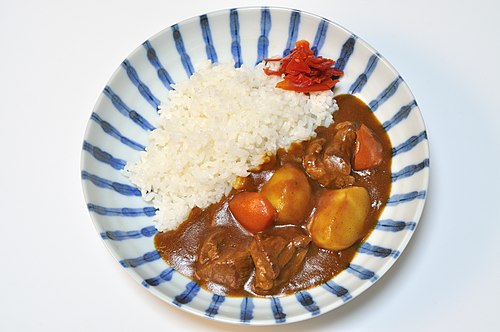
Introduced via the British Royal Navy in the Meiji era, kare raisu evolved into a thick, sweet-savory roux that is now one of Japan's most-eaten national comfort dishes. Chains like CoCo Ichibanya sell it worldwide.
Popularized in Britain, it was famously dubbed 'a true British national dish' by Foreign Secretary Robin Cook in 2001. Its creamy, spiced tomato sauce made it a UK restaurant staple.
A thicker, milder, peanut-forward Thai curry that is drier and sweeter than red or green. Its concentrated coconut richness makes it a connoisseur favorite.
A Peranakan noodle curry with coconut (curry laksa) or tamarind (asam laksa) broth. Penang's asam laksa ranked among the world's best dishes in CNN reader polls.
A Goan dish rooted in the Portuguese 'carne de vinha d'alhos' (meat in wine-vinegar and garlic), later fired up with chilies. Authentic versions are tangy, not just brutally hot.
A Mughlai braise thickened with yogurt, cream and ground nuts for a mild, silky gravy. Its refinement makes it a banquet dish, though its gentleness costs it points with heat-seekers.
Thailand's kaeng phet uses dried red chilies for a punchy, versatile coconut base. Reliable and everywhere, but overshadowed by its green and massaman siblings.
A chickpea curry in a tangy, spiced tomato-onion gravy sharpened with amchoor and pomegranate. It is a beloved vegetarian staple across North India and Pakistan.
Black lentils and kidney beans simmered overnight with butter and cream, popularized at Delhi's Moti Mahal. Comforting and iconic, though more of a lentil stew than a headline curry.
A dish spanning the Caribbean and South Asia, with Jamaican curry goat marinated in Scotch bonnet and allspice. Deeply flavorful, but bone-heavy portions make it hit-or-miss.
A Parsi curry blending meat with lentils, vegetables and a sweet-and-sour note, traditionally served on special occasions. Distinctive, but the sweet-savory clash divides eaters.
A Berlin street snack of sliced sausage doused in ketchup and curry powder, invented by Herta Heuwer in 1949. Fun fast food, but calling this seasoned ketchup a 'curry' is a stretch.
◆ Ranked on Tier Deck · browse all 296 lists · Privacy · Terms