
Street Fighter II
Capcom, 1991
The 1991 arcade release effectively created the modern competitive fighting game with its six-button, special-move and combo system, and became one of Capcom's best-selling titles that revived the arcade industry.
Best fighting games by influence and competitive scene, placed by broad real-world consensus.
The 1991 arcade release effectively created the modern competitive fighting game with its six-button, special-move and combo system, and became one of Capcom's best-selling titles that revived the arcade industry.

Producer Katsuhiro Harada has stated the PlayStation port sold about 8.36 million copies, making it the second best-selling fighting game of all time and a benchmark 3D fighter.

With over 36 million copies sold as of March 2025 it is the best-selling fighting game of all time, surpassing Street Fighter II and anchoring one of the largest competitive communities.
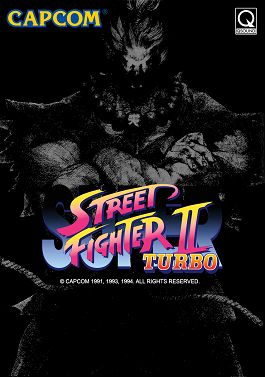
The tournament standard for classic 2D fighting for decades. Introduced super combos and the hidden boss Akuma, refining the deep, balanced footsie-driven combat that defined the genre. Still played competitively today.

Widely regarded as the pinnacle of 2D fighting game design. Its parry mechanic rewards read-based defense and produced Evo Moment 37, the most famous clip in fighting game history. Gorgeous hand-drawn animation and legendary depth.

Arc System Works' 2021 entry became the best-selling game in the franchise and a fixture of EVO, widely praised as the modern benchmark for anime-style fighters.
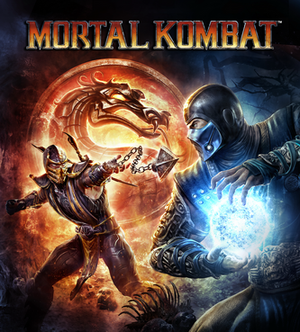
The 2011 reboot (MK9) revitalized the franchise with strong critical scores and multi-million sales, restoring Mortal Kombat as a headline competitive title.

Sega's 1993 release was the first-ever 3D fighting game and its data was later archived by the Smithsonian, cementing its landmark influence on the genre.

The high point of 3D weapon-based fighting. Intuitive eight-way run movement, elegant guard-impact system, and beloved guest characters made it a massive crossover hit that remains a fan favorite.

Arc System Works' anime-fighter breakthrough alongside Guilty Gear, pairing gorgeous 2D sprites with a sprawling story mode. Its distinctive Drive mechanics gave every character a unique gimmick and built a devoted competitive scene.

The 2001 GameCube title built a famously dedicated grassroots tournament scene that has kept it at majors for over two decades despite never receiving an official sequel patch.

The 2000 crossover's 56-character roster and freewheeling tag combat made it a legendary EVO mainstay and one of the most beloved competitive fighters ever.
Subtitled 'The Slugfest' and built as a dream-match of the series' cast, it is frequently ranked the best KOF entry and remains a competitive staple in Latin America and Asia.

NetherRealm's DC brawler with a genuinely strong single-player campaign and the novel Gear loadout system. Accessible and stylish, though the RPG-style gear progression muddied competitive balance for some.

SNK's slower, weapon-clashing counterpoint to combo-heavy fighters. High-damage strikes and a tense rage system reward patience and spacing. A beloved 90s classic, if more niche than KOF.

The 2013 Xbox One reboot earned strong reviews for its combo-breaker system, though its platform exclusivity kept its competitive footprint smaller than the genre's leaders.

Praised for its fast counter-based combat and multi-tiered stages, the series is nonetheless often critiqued for leaning on fan-service marketing over competitive depth.
The 1993 claymation parody fighter drew a middling-to-negative critical reception for its shallow mechanics, remembered more as a novelty than a serious competitor.

The 1995 PlayStation/Saturn tie-in was a critical failure notorious for load times, glitches, and muddy digitized sprites, widely remembered as an abject embarrassment.
◆ Ranked on Tier Deck · browse all 296 lists · Privacy · Terms