
Rose
The undisputed icon
Cultivated for over 5,000 years and the world's best-selling cut flower, the rose pairs deep fragrance with symbolic weight in love, art, and heraldry across cultures.
Every bloom judged on beauty, scent, and staying power.
Cultivated for over 5,000 years and the world's best-selling cut flower, the rose pairs deep fragrance with symbolic weight in love, art, and heraldry across cultures.

So coveted that 1630s 'Tulip mania' became history's first speculative market crash, with single bulbs trading for the price of a house in the Dutch Republic.

Prized in China for over 1,500 years as the 'king of flowers,' peonies produce enormous, densely petaled blooms and can live and flower for a century.

With roughly 28,000 accepted species, Orchidaceae is one of the largest plant families on Earth, spanning nearly every habitat and including the vanilla plant.

Young sunflowers track the sun across the sky (heliotropism), and their seed heads pack florets in a mathematically efficient Fibonacci spiral.

Its self-cleaning, water-repellent leaves inspired the term 'lotus effect,' and seeds have germinated after more than 1,000 years of dormancy.
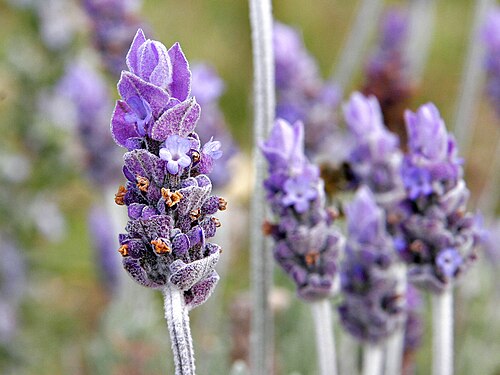
Long used in perfumery and aromatherapy, lavender's fragrant oil is one of the most studied for relaxation, and the plant thrives in poor, dry soils.
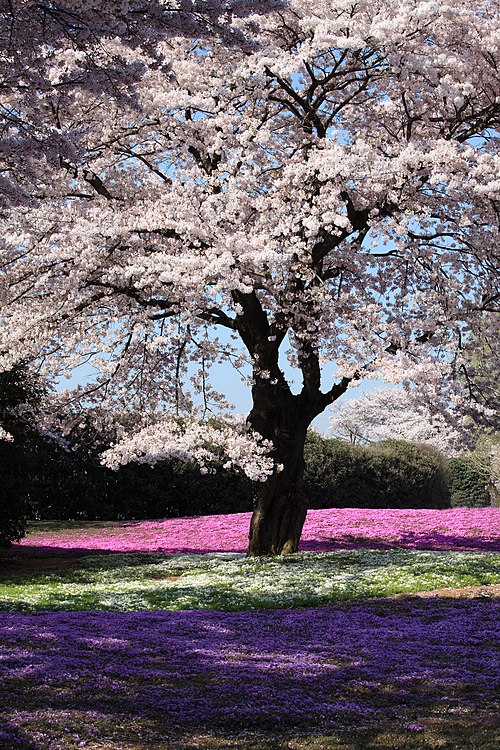
Japan's sakura bloom for only about one to two weeks, and their fleeting peak draws millions to hanami viewing each spring.

True lilies are striking, fragrant, and central to funerary and religious imagery, though their pollen is famously toxic to cats.

Among the earliest bloomers, daffodils are the symbol of many cancer charities, but their bulbs are poisonous and occasionally mistaken for onions.

Bloom color shifts from blue to pink based on soil pH and aluminum availability, making the same plant a living litmus test.
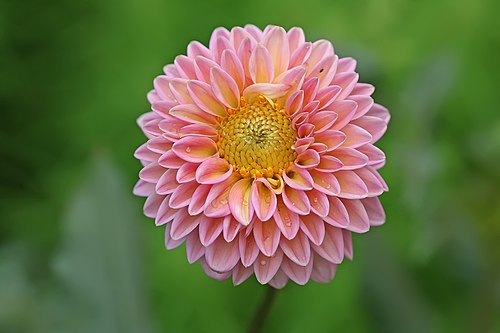
A single genus bred into more than 50,000 registered cultivars, ranging from tiny pompons to dinner-plate blooms; it's the national flower of Mexico.

Easy to grow and used to repel garden pests, marigolds are central to Mexico's Day of the Dead but carry a pungent, divisive scent.

A symbol of imperial Japan and longevity in Asia, yet associated with funerals and death across much of Europe.

Cheap, long-lasting, and a florist staple, but its ubiquity in supermarket bouquets has left it feeling generic.

Named for the Greek goddess of the rainbow and the model for the fleur-de-lis, though individual blooms wilt within a few days.

Valued only as cheap filler around real flowers, Gypsophila is considered an invasive weed in parts of North America.

Delicate red petals of the corn poppy became a global remembrance symbol, but the flowers shatter almost instantly once cut.

The titan arum emits the stench of rotting flesh to attract carrion pollinators and blooms unpredictably, sometimes only once a decade.

A rootless, leafless parasite producing the world's largest single flower, it mimics the smell of decaying meat and cannot survive on its own.
◆ Ranked on Tier Deck · browse all 296 lists · Privacy · Terms