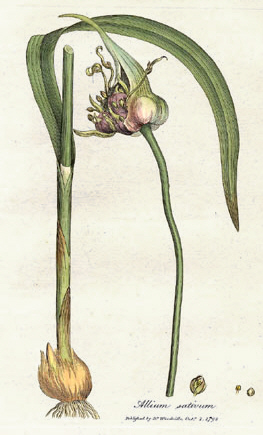
A member of the Allium genus used in nearly every cuisine on Earth, garlic delivers pungent aromatics raw and sweet mellow depth when cooked. Its allicin compounds form the flavor base of countless dishes from Italian to Korean.
The seasonings that carry your cooking versus the ones hoarding cabinet space.

A member of the Allium genus used in nearly every cuisine on Earth, garlic delivers pungent aromatics raw and sweet mellow depth when cooked. Its allicin compounds form the flavor base of countless dishes from Italian to Korean.

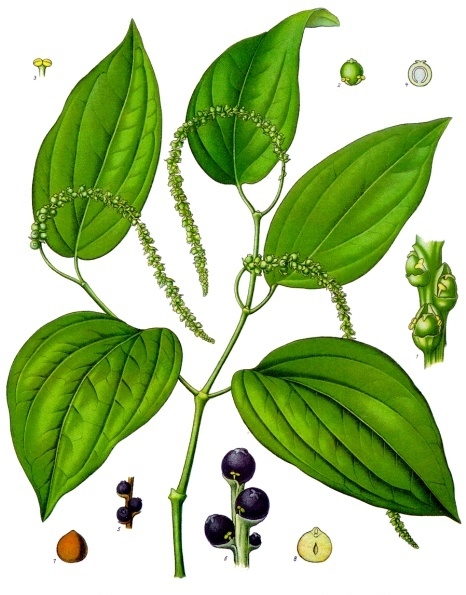
Once so valuable it was used as currency and rent, black pepper's piperine gives a clean heat that sharpens almost any savory dish. It sits on virtually every table on the planet for good reason.

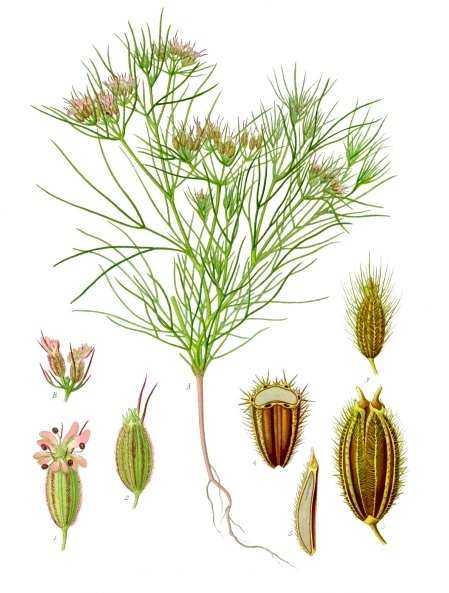
The warm, earthy seed anchors Mexican, Indian, Middle Eastern, and North African cooking alike. Toasting it releases oils that transform chili, curry, and tagine into something whole.
Harvested from the inner bark of Cinnamomum trees, it bridges dessert and savory with equal ease, from rolls to Moroccan lamb. True Ceylon and cassia both deliver that warm, woody sweetness.
The star of pesto and Caprese, sweet basil brings a peppery, clove-like aroma that defines Italian and Thai cooking. Best used fresh since heat quickly dulls its volatile oils.
Pungent and citrusy fresh, warm and mellow dried, ginger is indispensable across Asian stir-fries, baking, and teas. Its gingerol compound gives both the bite and the digestive kick.

Ground from dried Capsicum peppers, paprika ranges from sweet to smoky Spanish pimentón and gives Hungarian goulash and Spanish stews their signature red hue and rounded flavor.
Its resinous, pine-like aroma stands up to roasting, making it perfect with lamb, potatoes, and bread. A little goes a long way, and it holds flavor even after long cooking.
The curcumin-rich rhizome gives curry powder its yellow color and a mild, earthy bitterness. Essential to Indian cooking, though its flavor is subtle enough to be more color than punch.
Bold and slightly bitter, oregano is one of the few herbs often better dried, concentrating its pungency for pizza, Greek, and Mexican dishes. Reliable but easy to overdo.
A cornerstone of French cooking and bouquet garni, thyme's subtle earthy-lemony note blends into stocks, roasts, and braises without ever dominating. Dependable if unspectacular alone.
The world's most expensive spice by weight, hand-harvested from crocus stigmas, saffron gives paella and risotto their golden color and honeyed aroma. Magical in the right dish but wasted on most cooking.
Warm and sweetly aromatic, nutmeg elevates béchamel, eggnog, and baked goods, but its flavor is narrow and it turns bitter fast if overused. Genuinely toxic in large doses.

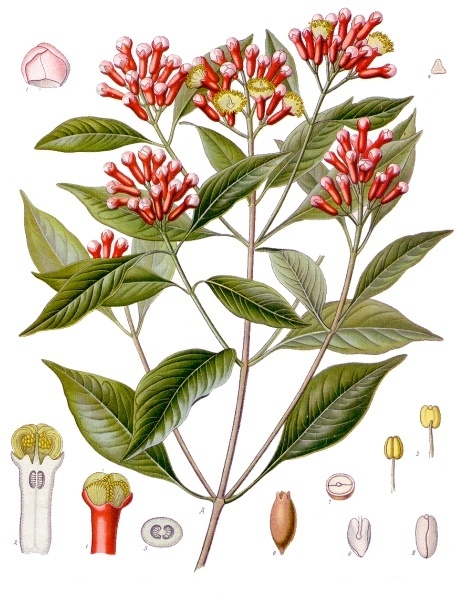
These dried flower buds pack intense, almost medicinal eugenol that can overpower a dish in seconds. Great in mulled wine and ham, but there's a reason recipes call for just two or three.
Feathery and grassy with an anise edge, dill shines with fish, pickles, and Scandinavian dishes but has a love-it-or-hate-it profile and fades fast once cut. Narrowly useful.
The lacy aril surrounding the same nutmeg seed, mace offers a milder version of the same flavor. Perfectly fine, but almost nobody keeps it stocked when nutmeg already does the job.
Essential to some Indian blends, its seeds smell of maple syrup but turn aggressively bitter if not handled right. A specialist ingredient that punishes casual cooks.
Parsley's whole appeal is fresh brightness, and drying it strips nearly all of that away, leaving flavorless flakes fit only for garnish. Fresh parsley is great; the jarred version is a scam.
◆ Ranked on Tier Deck · browse all 296 lists · Privacy · Terms