
Honey bee
Pollinator of the world
A keystone pollinator responsible for a large share of the crops humans eat, the honey bee also builds astonishing wax hives and communicates locations via a symbolic 'waggle dance.'
The tiny six-legged rulers of the planet.
A keystone pollinator responsible for a large share of the crops humans eat, the honey bee also builds astonishing wax hives and communicates locations via a symbolic 'waggle dance.'

With an estimated 20 quadrillion individuals, ants aerate soil, disperse seeds, and form complex superorganism colonies — some farming fungus or herding aphids.

This orange-and-black icon migrates up to 4,000 km to Mexican forests over multiple generations, a navigational feat unmatched among insects.

Among the most agile fliers alive, dragonflies can hover, fly backward, and hit roughly 95 percent hunting success — and their ancestors flew 300 million years ago.

Beloved worldwide and a natural pest-control powerhouse, a single ladybird can eat thousands of aphids in its lifetime, protecting crops and gardens.

With grasping forelegs, a head that swivels 180 degrees, and stereoscopic vision, the mantis is one of the most efficient and mesmerizing insect hunters.
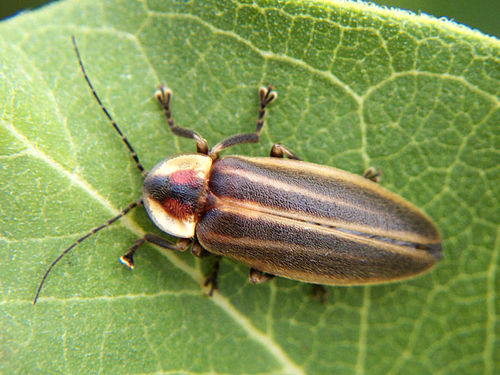
These beetles produce near-perfectly efficient cold light through bioluminescence, flashing coded signals to attract mates on summer nights.

Crucial decomposers that recycle dead wood and enrich soil, termites build towering climate-controlled mounds that inspire modern architecture.

Beetles make up around a quarter of all known animal species — roughly 400,000 described — filling nearly every ecological role from pollinator to decomposer.

Uniquely able to 'buzz-pollinate' by vibrating flowers, bumblebees pollinate crops like tomatoes that honey bees cannot, and thrive in cool climates.

Some broods emerge in synchronized swarms only every 13 or 17 years, producing one of the loudest insect choruses on Earth after more than a decade underground.

Powerful jumpers that can spring many times their body length, grasshoppers are a foundational food source across grassland food webs.
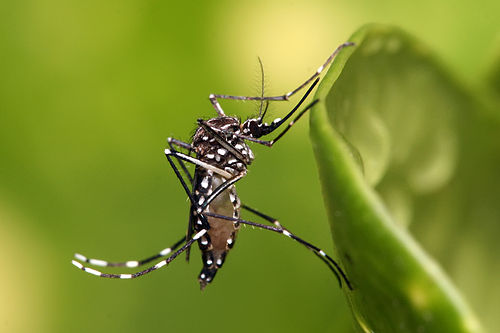
By transmitting malaria and other diseases, mosquitoes are linked to over 700,000 human deaths a year — the deadliest animal to people, yet also prey and pollinators.
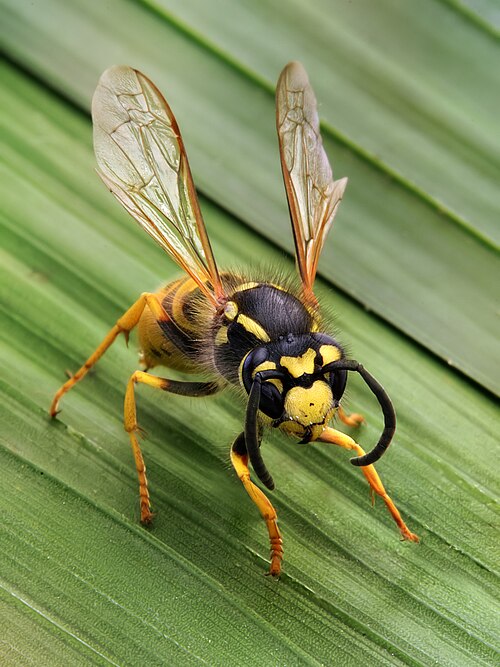
Feared for their stings, wasps are vital predators and pollinators that keep pest populations in check, and paper wasps build intricate nests from chewed wood.

Vastly outnumbering butterflies in species, moths are essential nocturnal pollinators and a key food source for bats and birds.

A near-global companion of humans, the housefly is a decomposer and larval food source, but also a notorious spreader of pathogens.
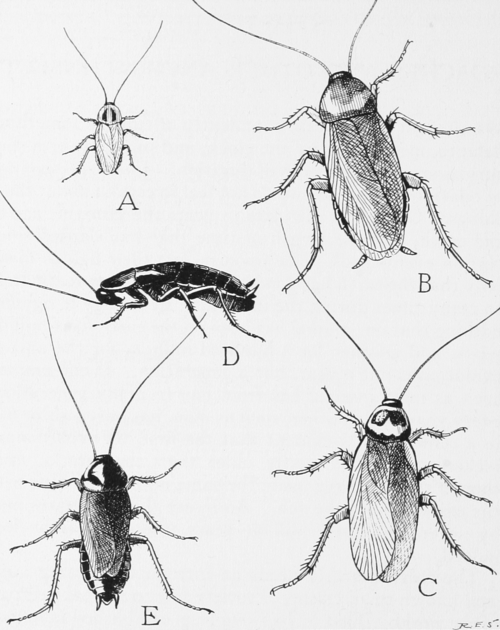
Fascinatingly resilient and ancient, but as a household pest linked to allergies and contamination, the cockroach is among the least loved insects on Earth.

When grasshoppers switch into their swarming phase, locust plagues can devour entire crops and threaten food security across whole regions.

A blood-feeding parasite that infests homes and hotels worldwide, the bed bug offers little ecological upside and endless human misery.

A parasitic pest that plagues pets and once helped spread the Black Death, the flea's remarkable jumping ability can't redeem its reputation.

Reproducing explosively, aphids drain plants and transmit crop viruses, making them one of agriculture's most persistent tiny enemies.
◆ Ranked on Tier Deck · browse all 296 lists · Privacy · Terms