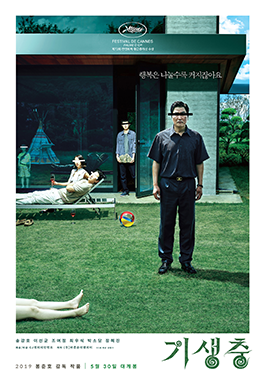
Parasite
Bong Joon-ho, 2019
The first non-English-language film to win the Academy Award for Best Picture, and it also took the Palme d'Or at Cannes in 2019. A near-perfect class-warfare thriller.
From Palme d'Or to pure disaster.
The first non-English-language film to win the Academy Award for Best Picture, and it also took the Palme d'Or at Cannes in 2019. A near-perfect class-warfare thriller.
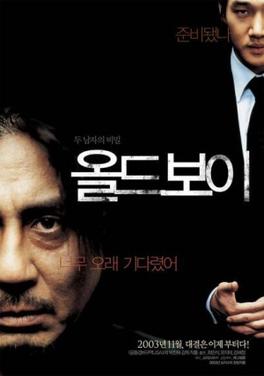
Won the Grand Prix at the 2004 Cannes Film Festival — the first Korean film to do so — and became the defining Korean revenge film worldwide. Its one-take hallway hammer fight is a genre landmark.

Based on Korea's first documented serial-killer case, this 2003 procedural launched Bong Joon-ho as a major director. Routinely ranked among the greatest Korean films ever made.

Lee Chang-dong's 2018 mystery earned the highest score ever on Screen's Cannes jury grid (3.8) and was shortlisted for the Academy Award for Best International Feature. A slow-burn masterclass in ambiguity.

Park Chan-wook's lavish 2016 erotic thriller won the BAFTA for Best Film Not in the English Language. A twist-laden adaptation of Sarah Waters' 'Fingersmith' relocated to colonial Korea.
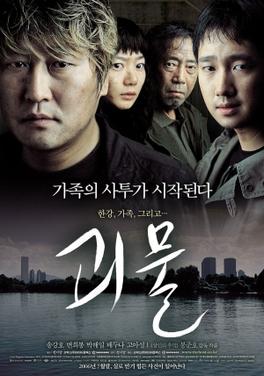
Bong Joon-ho's 2006 creature feature was one of the highest-grossing Korean films of its era and a smart blend of monster horror and family drama. It put Korean genre cinema on the global map.
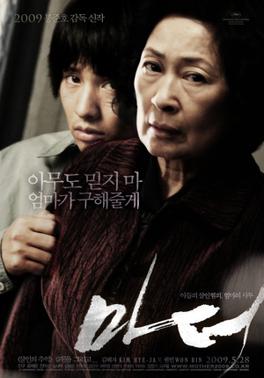
A 2009 mystery anchored by Kim Hye-ja's ferocious performance as a mother clearing her son of murder. Selected as Korea's Oscar submission and widely praised after its Cannes premiere.

The 2016 zombie thriller drew over 11 million admissions in Korea and became an international breakout for the genre. Tight, emotional, and relentlessly paced.

Park Chan-wook won Best Director at the 2022 Cannes Film Festival for this elegant detective romance. A restrained, richly composed noir.

Kim Jee-woon's brutal 2010 cat-and-mouse thriller pits a grieving agent against a serial killer. Extreme but expertly staged, it became a cult favorite abroad.
Na Hong-jin's 2016 rural horror mixes shamanism, demonic possession, and dread into a two-and-a-half-hour spiral. Ambitious and deeply unsettling.
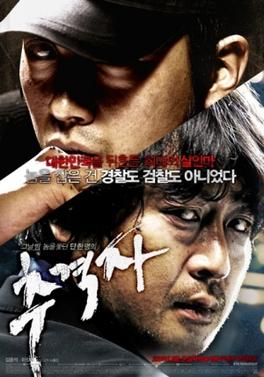
Na Hong-jin's 2008 directorial debut is a taut serial-killer chase that swept the major Korean film awards. It launched one of the country's most distinctive thriller voices.

The highest-grossing Korean horror film upon its 2003 release and the first Korean film to screen in American theaters. A haunting, painterly ghost story.

Bong Joon-ho's 2013 English-language debut, a class-allegory set aboard a perpetual-motion train. Inventive and visually striking, if less controlled than his Korean-language work.
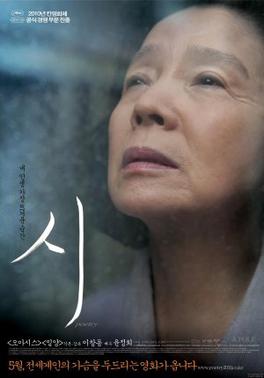
Lee Chang-dong won Best Screenplay at the 2010 Cannes Film Festival for this quiet drama about an aging woman confronting a family tragedy. Understated and moving, though a slow watch.

This 2011 drama about abuse at a school for deaf children caused such public outrage that it prompted a revised sexual-assault law nicknamed the 'Dogani Law.' Socially important, if heavy-handed.
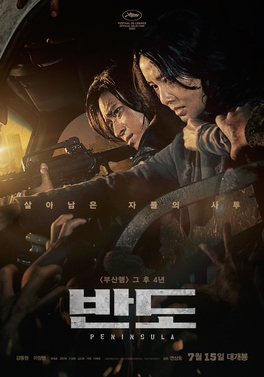
The 2020 standalone sequel to 'Train to Busan' traded the original's claustrophobic tension for over-the-top car chases and shaky CGI. Widely seen as a steep letdown from its predecessor.
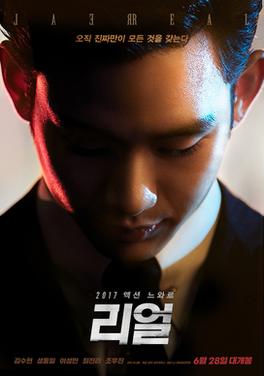
A baffling 2017 gangster-fantasy starring Kim Soo-hyun that critics and audiences savaged as incoherent. It's frequently cited among the worst big-budget Korean films ever made.
◆ Ranked on Tier Deck · browse all 296 lists · Privacy · Terms