
Hollow Knight
Team Cherry, 2017
A sprawling hand-drawn map, precise combat, and the Charm system made it the modern genre benchmark, selling over 15 million copies from a Kickstarter that raised over A$57,000.
Explore, backtrack, argue. The genre's peaks and pitfalls, settled.
A sprawling hand-drawn map, precise combat, and the Charm system made it the modern genre benchmark, selling over 15 million copies from a Kickstarter that raised over A$57,000.
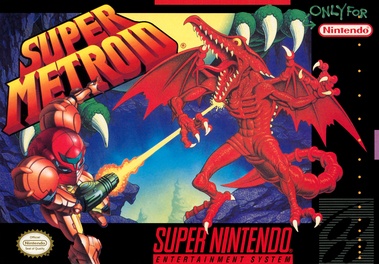
The 1994 SNES entry codified the genre's interconnected map and ability-gated exploration and is routinely cited among the greatest games ever made.

Introduced RPG leveling and a fully explorable castle to Castlevania, giving the genre the 'vania' half of its name and an iconic inverted-castle second half.

The first original 2D Metroid in 19 years delivered tense EMMI stalker sequences and fluid movement, becoming the best-selling entry in the series at over 3 million copies.

Translated the exploration formula into first-person on GameCube with scan-based worldbuilding, earning near-universal acclaim and multiple Game of the Year awards.

Expanded its predecessor with deeper combat and a bigger world, pairing gorgeous hand-painted art with a widely praised orchestral score.
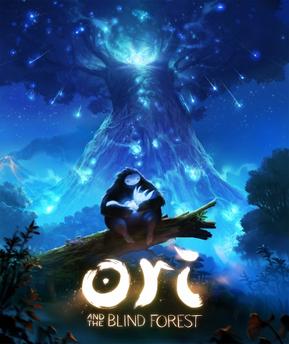
A visually stunning debut whose escape sequences and tight platforming set a new bar for presentation in the genre.

A brutal, grotesque pixel-art take steeped in Spanish Catholic iconography, praised for atmosphere and expanded heavily by its free 'Wounds of Eventide' update.

Blends luchador brawling with dimension-swapping platforming and Mexican folklore, celebrated for its combat and humor across two well-received games.

A roguelite-metroidvania hybrid whose responsive combat and permadeath loop earned it a BAFTA Games Award nomination and years of post-launch content.

A one-man love letter to Super Metroid with glitch-themed weapons and secrets, widely credited with reviving the indie metroidvania wave.
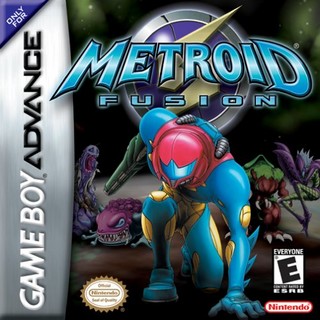
The GBA entry tightened the formula with the menacing SA-X pursuer, though its more linear, guided structure drew some criticism.

Often called the best GBA Castlevania, its Tactical Soul system and 2035 setting refined the Symphony template beautifully.
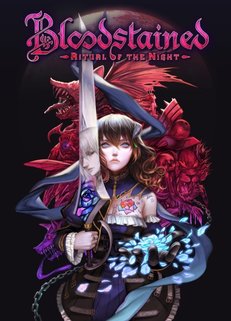
Koji Igarashi's Kickstarter-funded spiritual successor to Symphony of the Night recaptured the classic 'Igavania' feel, if a bit unevenly at launch.

A landmark freeware title built solo over five years, hugely influential on indie development though modest in scale by today's standards.

The genre-founding original introduced Samus and the open, ability-gated map, but its passwords and mazelike NES design have aged poorly.

A competent 2D 'soulsvania' that fuses Dark Souls systems with side-scrolling exploration, solid but overshadowed by flashier peers.

An early proto-metroidvania whose ambitious open world was undermined by cryptic clues and mistranslations, making it infamously obtuse.
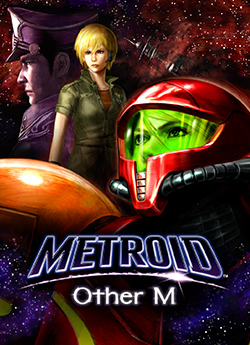
Widely panned for its cutscene-heavy story that undercut Samus's character and awkward one-handed Wii controls, it remains among the series' most reviled entries.
◆ Ranked on Tier Deck · browse all 296 lists · Privacy · Terms