
World of Warcraft
The one that defined the genre
Peaked at over 12 million subscribers in October 2010, making it the most successful subscription MMORPG in history. Two decades on it still sets the template the entire genre copies.
The virtual worlds that ate our lives, sorted.
Peaked at over 12 million subscribers in October 2010, making it the most successful subscription MMORPG in history. Two decades on it still sets the template the entire genre copies.

After the disastrous 2010 launch, Square Enix rebuilt it from scratch as A Realm Reborn in 2013 and turned it into one of its most profitable properties. It's now routinely cited as the best-written MMORPG on the market.
Relaunched in 2013 from a 2007 backup after players demanded it, and now dwarfs the modern version in popularity. Major updates are decided by community polls, which today require 70% approval to pass.
Ditched its subscription in 2015 and has since grown to over 24 million players worldwide. Its sprawling story chapters make it the closest thing to a persistent single-player Elder Scrolls.

Launched in 2012 with a buy-once model and dynamic world events that replaced the usual quest-hub grind. Its horizontal endgame and living-world updates keep it a genre favorite over a decade later.

Runs almost entirely on a single shared server where every player coexists in one galaxy. Player-run wars have destroyed virtual assets worth hundreds of thousands of real dollars in single battles, like the 2014 Bloodbath of B-R5RB.

Amazon's 2022 Western launch peaked at over 1.3 million concurrent Steam players, the second-highest in the platform's history at the time. Its raids and combat are elite, though the endgame grind burns many out.
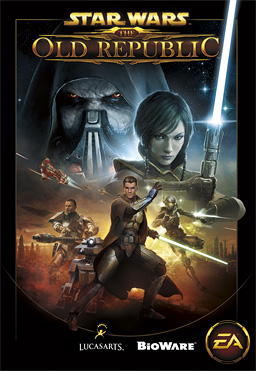
Was among the most expensive games ever made at the time, reportedly costing around $200 million with every quest fully voice-acted, earning a Guinness record for the largest voice-over project. The class stories are superb even if the surrounding MMO scaffolding aged poorly.

Launched in Korea in 2014 and reached the West in 2016 with action combat and a graphics engine still regarded as best-in-class for the genre. Deep life-skill systems are undercut by a notoriously heavy grind and cash shop.

The 1999 title that popularized the 3D MMORPG and was so addictive players dubbed it 'EverCrack.' It laid the raid-and-grind groundwork WoW would later refine for the mainstream.
Released in 1997, it was one of the first commercially successful graphical MMORPGs and proved a persistent online world could scale. Its open, player-driven economy and PvP influenced everything that followed.

A 2003 NCSoft hit that dominated Korean PC bangs with massive castle-siege PvP. Rampant grind and gold-farming define both its legend and its reputation.
A 2003 side-scrolling MMORPG that became a global phenomenon with hundreds of millions of registered accounts. Charming and accessible, but buried under years of power creep and heavy monetization.

NCSoft's 2009 release built its identity around flight and the PvPvE Abyss zone. A strong launch faded fast, pushing it to free-to-play by 2012 in the West.
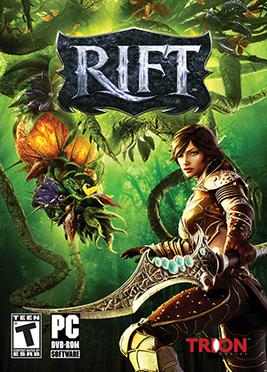
Launched in 2011 with a flexible soul-based class system and dynamic rift invasions. Polished and well-received at first, it never carved out enough identity to escape WoW's shadow.

Its 2008 launch and brutal directional combat drew huge early praise, but content thinned out sharply past the polished starting zone. Subscriptions collapsed within months as players hit the wall.

Sold on realm-vs-realm warfare in 2008 but launched over-scoped, cutting classes and cities before release. It bled players quickly and was shut down entirely in 2013.

Hyped for its combat and humor in 2014, it chased hardcore 40-man raiders with punishing attunements that gutted its casual base. It went free-to-play in 2015 and shut down for good in 2018.
◆ Ranked on Tier Deck · browse all 296 lists · Privacy · Terms