
Pistachio
The self-opening king
One of the few nuts providing complete protein with all nine essential amino acids, and it conveniently splits its own shell when ripe. Endlessly snackable and impossible to eat just one.
The definitive shell-by-shell verdict on every nut worth cracking.
One of the few nuts providing complete protein with all nine essential amino acids, and it conveniently splits its own shell when ripe. Endlessly snackable and impossible to eat just one.

Creamy enough to blend into dairy-free cheese, milk, and sauces, making it the most versatile nut in the kitchen. It grows attached to a cashew apple and must be roasted to destroy its toxic urushiol shell oil.

The most-produced tree nut on Earth, with California growing roughly 80% of the global supply. It anchors marzipan, almond milk, and flour without ever feeling out of place.

Among the richest plant sources of omega-3 ALA, and its wrinkled halves famously resemble the human brain. Slightly bitter but indispensable in baking and salads.

Native to North America and the buttery heart of pecan pie and pralines. Its high oil content gives it a richness few nuts can match.

The backbone of Nutella and Ferrero Rocher, with Turkey producing roughly 70% of the world's crop. Pairs with chocolate better than any other nut.

Often the most expensive nut in the world, native to Australia and prized for its rich, buttery crunch. Notably toxic to dogs, so keep the cookies away from pets.
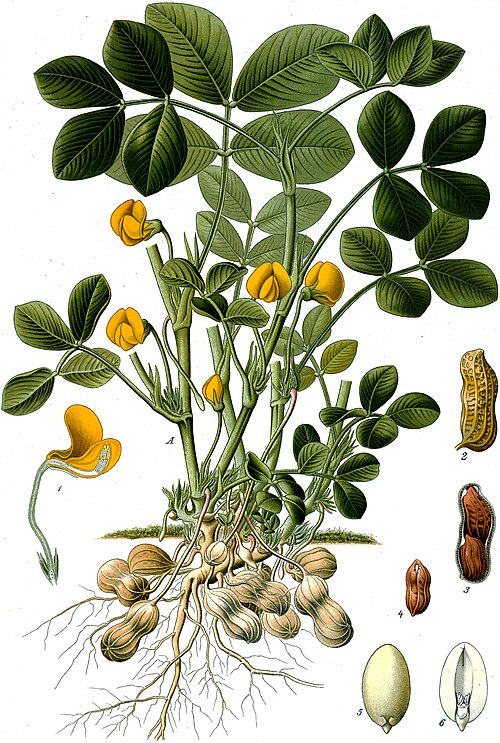
Technically a legume rather than a true nut, yet it dominates snacks, butters, and ballparks worldwide. Also the source of one of the most common and dangerous food allergies.

Essential to classic Genovese pesto and delicate enough to toast onto almost anything. Expensive to harvest and occasionally causes 'pine mouth,' a lingering metallic aftertaste.

The richest common dietary source of selenium, so much that a couple can exceed the daily limit. Harvested from wild Amazon trees and can carry trace natural radioactivity.

Uniquely low in fat and high in starch, making it more like a potato than a typical nut. Delicious roasted but soft, perishable, and mealy if handled poorly.

Nutrient-dense and loaded with zinc, popular roasted as pepitas across Mexican cuisine. Tasty but firmly a garnish rather than a star.

A fixture of baseball dugouts and cheap trail mix, high in vitamin E and endlessly spittable. The shell-to-seed effort ratio holds it back.

Absorbs many times its weight in liquid to form a gel used in puddings and drinks. Genuinely nutritious but flavorless on its own.

Edible only after tannins are laboriously leached out, or it stays mouth-puckeringly bitter. Historically a famine food that survives on abundance, not taste.

A caffeine-rich seed once used to flavor early cola drinks and chewed as a stimulant in West Africa. Intensely bitter and rarely eaten for pleasure.

Mildly toxic and strongly purgative when eaten raw, usable only after cooking as a thickener. Its name comes from being burned like a candle, which says plenty.

Classified by the WHO as a Group 1 carcinogen and strongly linked to oral cancer among hundreds of millions who chew it. Addictive and outright dangerous, not a snack.
◆ Ranked on Tier Deck · browse all 296 lists · Privacy · Terms