Redefined the genre with a chemistry-driven physics engine where climbing anything, gliding anywhere, and improvising solutions are all valid; won multiple 2017 Game of the Year awards including at The Game Awards.
The maps that swallowed your weekends, sorted by whether it was worth it.

Redefined the genre with a chemistry-driven physics engine where climbing anything, gliding anywhere, and improvising solutions are all valid; won multiple 2017 Game of the Year awards including at The Game Awards.

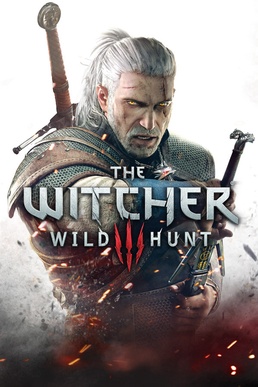
Sets the bar for side content, with quests as writerly and consequential as the main story across Velen, Novigrad, and Skellige. The Blood and Wine expansion alone rivals full games.

One of the most reactive open worlds ever built, with NPCs remembering encounters and unmatched environmental detail. Its deliberate pacing is divisive but the frontier feels genuinely alive.

Fused FromSoftware's combat with a vast interconnected world that hides secrets without quest markers, rewarding curiosity. Sold over 25 million copies and won 2022 Game of the Year.

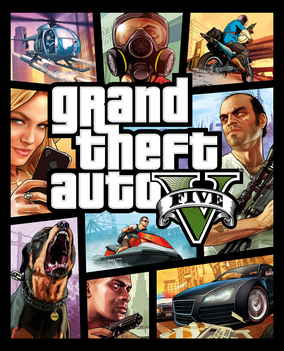
A dense, satirical Los Santos with three switchable protagonists and one of the best-selling games ever. GTA Online kept its world relevant for over a decade.

A go-anywhere fantasy sandbox whose mod community has kept it alive across a decade of re-releases. Emergent moments and freedom outshine its aging combat.

Web-swinging traversal through Manhattan is so satisfying it makes crossing the map a joy rather than a chore. A high bar for movement in a licensed open world.

Enormous for 2004, spanning three cities, countryside, RPG stats, and gang warfare that expanded what an open world could hold. Still a genre landmark.

Wind-guided navigation and painterly landscapes make Tsushima gorgeous to traverse. Leans on familiar Ubisoft-style structure but executes it beautifully.
An effectively infinite procedurally generated world where the map is raw material for creation, driving the best-selling game of all time. Building and survival make it endlessly replayable.

A striking post-apocalyptic world of robotic beasts with a strong central mystery. World structure is conventional but the machine combat and setting stand out.

A gorgeous, sprawling ancient Greece with hundreds of hours of content, though its bloated map and grind epitomize open-world padding fatigue.

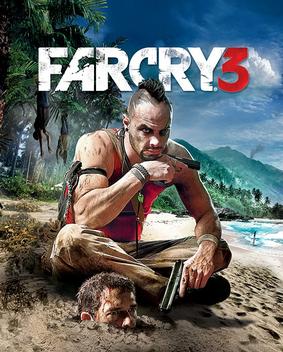
Popularized the tower-climbing, outpost-clearing template that defined a decade of open-world design. Fresh and memorable in 2012, endlessly copied since.

A moody Boston wasteland with satisfying exploration and settlement-building, undercut by weaker writing and dialogue than its predecessors.

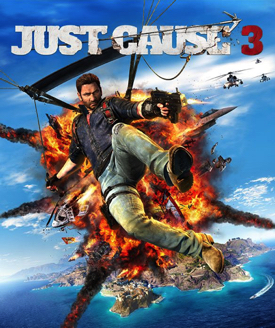
A physics-driven playground of grappling hooks and explosions that's a blast for hours, but its empty island and repetitive objectives wear thin.

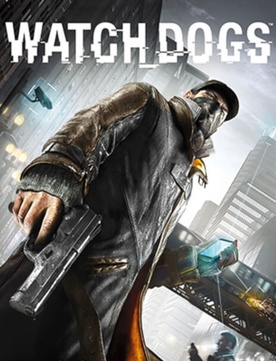
A hackable Chicago with a clever core idea, dragged down by a dull protagonist and the infamous downgrade from its dazzling reveal footage.

Excellent vehicular combat in a bleak wasteland, but repetitive camp-clearing and a barren map make it a competent grind rather than a standout.

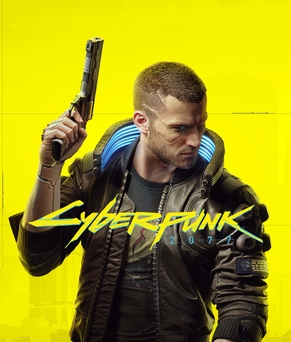
Night City is one of gaming's densest, most beautiful worlds, but its catastrophic 2020 launch — game-breaking bugs and last-gen refunds — marked its legacy despite later fixes.

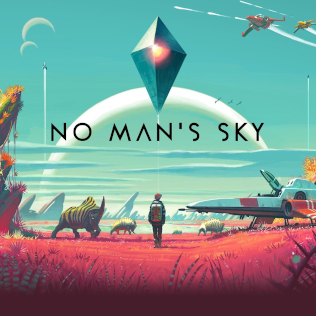
Launched in 2016 as a byword for overpromised, hollow procedural generation. Years of free updates redeemed it, but the disastrous debut still shadows its reputation.

A buggy, empty online Appalachia at launch, marred by the nylon-bag scandal and hollow multiplayer that damaged Bethesda's reputation. A cautionary tale of open-world design.
◆ Ranked on Tier Deck · browse all 296 lists · Privacy · Terms