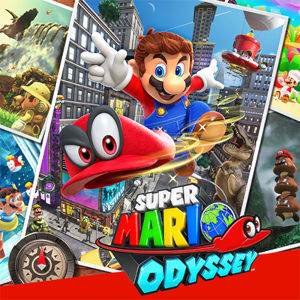
Released October 2017 as a holiday hit for the Nintendo Switch (which had launched that March), it has sold over 27 million copies. Its Cappy capture mechanic reinvigorated 3D platforming and earned a near-universal 97 Metacritic score.
A universal ranking of platformers from genre-defining classics to genre low points.

Released October 2017 as a holiday hit for the Nintendo Switch (which had launched that March), it has sold over 27 million copies. Its Cappy capture mechanic reinvigorated 3D platforming and earned a near-universal 97 Metacritic score.

The 1996 Nintendo 64 launch title defined and popularized the 3D platformer, showcasing the N64's analog stick for full 360-degree movement and a Lakitu-controlled camera whose conventions later games built on.
This 2018 indie by Matt Makes Games pairs razor-tight air-dash controls with a story about anxiety, winning Best Independent Game at The Game Awards 2018.

Released in Japan in 1988 (and on the NES in North America in 1990), it introduced the overworld map, Tanooki suit, and item inventory, and is frequently cited as one of the greatest games ever made.

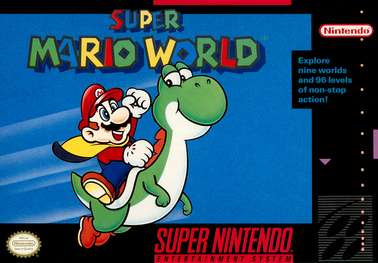
A 1990 Super Famicom launch pack-in in Japan (1991 on the SNES in North America), it introduced Yoshi and a sprawling secret-filled overworld, defining the 16-bit era of side-scrollers.

Team Cherry's 2017 hand-drawn Metroidvania offers a vast interconnected map and tough combat, becoming one of the best-selling indie games of all time.

The 1992 Genesis sequel added Tails and the Spin Dash, delivering the fast, loop-heavy level design that defined Sega's mascot at his peak.

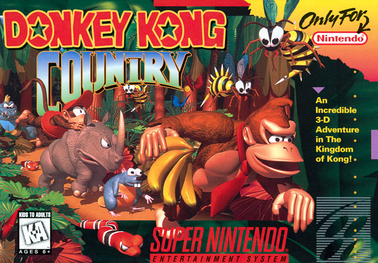
Rare's 1994 SNES hit stunned players with pre-rendered 3D-style graphics on 16-bit hardware and became one of the console's best-selling games.

Ubisoft's 2013 platformer runs on the fluid UbiArt engine with gorgeous hand-drawn worlds and rhythm-based music levels that are widely praised.

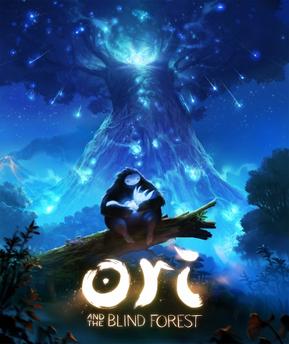
Moon Studios' 2015 Metroidvania is renowned for its watercolor visuals, emotional score, and tense escape sequences.

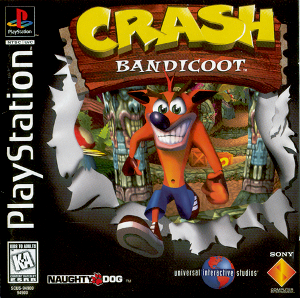
Naughty Dog's 1996 PlayStation debut brought corridor-style 3D platforming and became a defining Sony franchise, though its trial-and-error design shows its age.

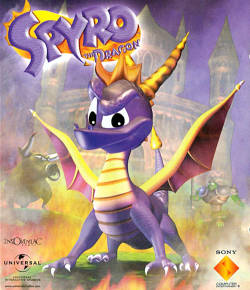
Insomniac's 1998 collect-a-thon offered open, gliding-friendly worlds and colorful design, a beloved PS1 mascot platformer.

Media Molecule's 2008 PS3 title paired charming physics-based platforming with deep level-creation tools that built a huge community.

The 1995 SNES title (a prequel to Super Mario World) swapped Mario for Yoshi with egg-throwing mechanics and a distinctive storybook art style, though its baby-Mario crying can grate.

The 1993 NES entry introduced Kirby's signature copy abilities, an approachable and endlessly charming template for the series.
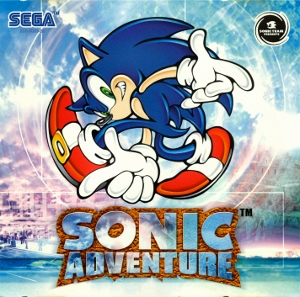
Sega's 1998 Dreamcast title pushed Sonic into full 3D with hub worlds, but is infamous for buggy physics and a wonky camera that have aged poorly.

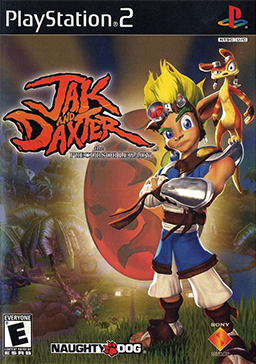
Naughty Dog's 2001 PS2 platformer boasted a load-free streaming open world, but its combat and pacing feel thin compared to genre peers.
Rushed out for the franchise's 15th anniversary, this 2006 game is notorious for game-breaking bugs, long load times, and a bizarre human-hedgehog romance.

This 1996 PS1 title is regularly ranked among the worst games ever made for its blocky visuals, awful controls, and dreadful camera.
◆ Ranked on Tier Deck · browse all 296 lists · Privacy · Terms