
2001: A Space Odyssey
1968 · Kubrick
Kubrick's 1968 film pioneered practical effects and realistic space physics decades ahead of its time, and its match cut from bone to orbiting satellite remains cinema's boldest ellipsis.
From flawless masterpieces to lens-flare disasters.
Kubrick's 1968 film pioneered practical effects and realistic space physics decades ahead of its time, and its match cut from bone to orbiting satellite remains cinema's boldest ellipsis.

Ridley Scott's 1982 neo-noir defined the cyberpunk aesthetic and posed its questions about memory and humanity through Roy Batty's 'tears in rain' monologue, whose famous final line Rutger Hauer improvised.

Scott's 1979 haunted-house-in-space fused Giger's biomechanical creature with claustrophobic dread, and gave the genre its first working-class heroine in Ripley.

The Wachowskis' 1999 film introduced bullet-time to mainstream cinema and packaged Baudrillard-flavored simulation theory into a globally imitated action blockbuster.

Cameron's 1991 sequel used the liquid-metal T-1000 to prove CGI could carry a character, while flipping the original's villain into a protector.

Villeneuve's 2016 film builds first contact around linguistics and a nonlinear perception of time, turning a twist into a meditation on grief and choice.

Villeneuve's 2017 sequel honored the original while standing alone, with Roger Deakins winning his first Oscar — on his 14th nomination — for its painterly cinematography.
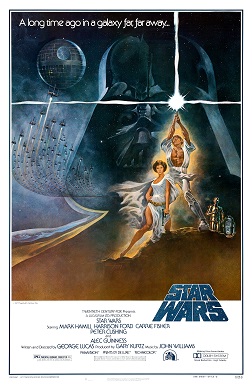
Lucas's 1977 film reinvented the summer blockbuster and effects industry (founding ILM), fusing myth and space opera into a cultural juggernaut.
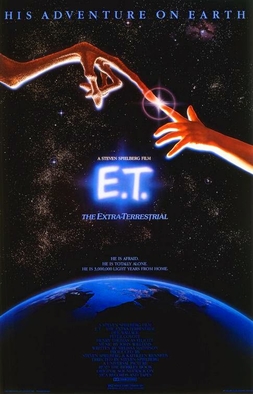
Spielberg's 1982 film grounded alien contact in suburban childhood, surpassing Star Wars to become the highest-grossing film of its era on pure emotional craft.
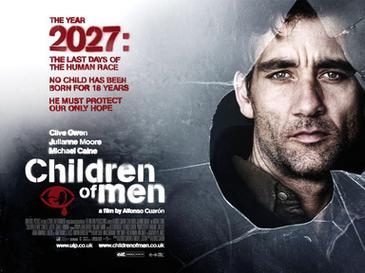
Cuarón's 2006 dystopia is famed for its unbroken long-take action sequences and a bleak vision of infertility-driven societal collapse.
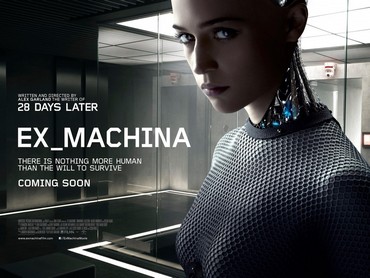
Garland's 2014 chamber piece interrogates AI consciousness through Ava's manipulation of a Turing-test scenario, winning the Oscar for Best Visual Effects on a modest budget.
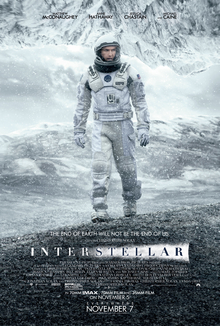
Nolan's 2014 epic consulted physicist Kip Thorne to visualize a scientifically grounded black hole, though its ambition occasionally outruns its sentiment.

Blomkamp's 2009 apartheid allegory used mockumentary grit and a modest budget to deliver visceral, ideas-driven spectacle.
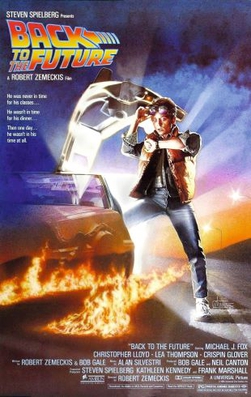
Zemeckis's 1985 film is a near-perfect time-travel comedy whose plot mechanics interlock so cleanly it's still taught as screenwriting.
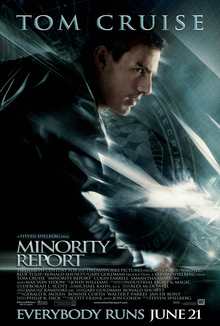
Spielberg's 2002 Philip K. Dick adaptation forecast gesture interfaces and targeted ads while wrestling with precrime and free will.
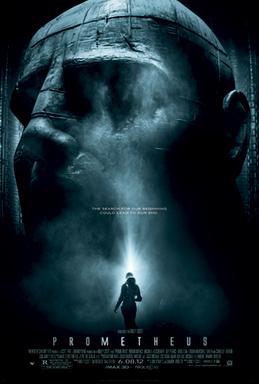
Scott's 2012 Alien prequel is visually stunning but hobbled by characters making baffling decisions that undercut its grand origin-of-life ambitions.
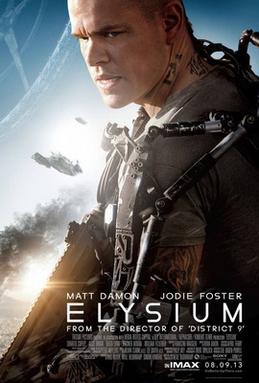
Blomkamp's 2013 follow-up to District 9 delivers slick action but flattens its inequality themes into a blunt, uneven message.

Emmerich's 2004 climate disaster spectacle is entertaining but scientifically absurd, freezing Manhattan in a matter of hours.

Abrams's 2019 finale frantically reverses prior films and resurrects Palpatine offscreen, collapsing a nine-film saga under fan-service whiplash.
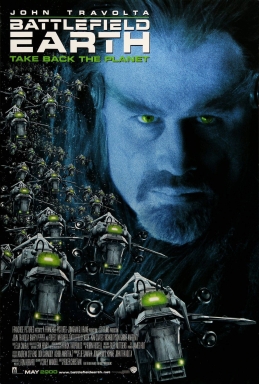
Roger Christian's 2000 Travolta vehicle is a byword for cinematic disaster, drowning a laughable script in Dutch angles and sweeping the Razzie awards.
◆ Ranked on Tier Deck · browse all 296 lists · Privacy · Terms