
Sonic the Hedgehog 2
Spin dash and Tails
The 1992 Genesis sequel introduced Tails and the spin dash, sold over 6 million copies, and remains one of the best-selling and best-loved 16-bit platformers.
Gotta go fast, but only some of these actually stuck the landing.
The 1992 Genesis sequel introduced Tails and the spin dash, sold over 6 million copies, and remains one of the best-selling and best-loved 16-bit platformers.

The 2017 throwback built by longtime fans earned an 86 Metacritic and is Sonic's highest-rated game in over a decade, a masterful return to 2D form.

Combining 1994's Sonic 3 with Sonic & Knuckles via lock-on cartridge tech created one long, expansive adventure many fans consider the peak of the classic era.
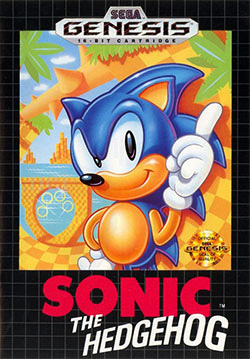
The 1991 original launched Sega's mascot and helped the Genesis compete with Nintendo, establishing the loop-de-loop speed platforming formula.

The 2001 Dreamcast entry delivered the iconic City Escape stage, the hero/dark story split, and the beloved Chao Garden, a fan-favorite 3D outing.

The 1993 Sega CD title introduced Amy Rose and Metal Sonic with a time-travel mechanic and a celebrated soundtrack, a cult classic of the era.
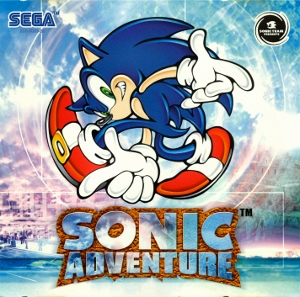
The 1998 Dreamcast launch title took Sonic fully 3D with six playable characters and a chaotic Chaos storyline, ambitious and influential despite rough edges.
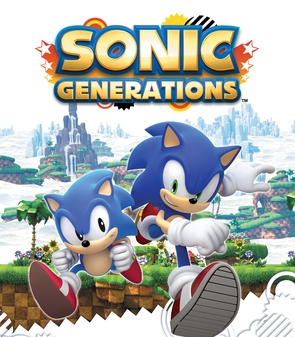
The 2011 20th-anniversary game paired Classic and Modern Sonic across remixed stages, praised as one of the strongest 3D-era entries.

The 2010 Wii title introduced the Wisp power-ups and trimmed the bloat of earlier 3D games, marking a well-received course correction.

The 2022 open-zone reinvention sold over 3.5 million copies and was largely welcomed as a promising new direction despite pop-in and pacing issues.

The 2003 multiplatform game built stages around swapping between three characters per team, a divisive but commercially successful experiment.

The 2008 entry thrilled with fast daytime stages but drew criticism for its slow, brawler-heavy nighttime Werehog levels.

The 2001 Game Boy Advance title marked Sonic's first Nintendo appearance and a solid return to classic 2D platforming.

The rushed 2006 reboot became a byword for broken games, plagued by loading screens, glitches, and a notorious Sonic/Elise romance plot.

The 2014 Wii U title was critically panned for game-breaking bugs and poor design, among the lowest-scored games in the entire series.
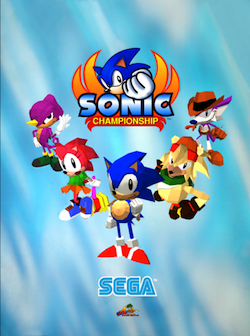
The 1996 arcade fighting game was a curious genre detour that has aged into a novelty rather than an essential entry.
◆ Ranked on Tier Deck · browse all 296 lists · Privacy · Terms