Widely cited as the best entry in the series, its Cold War jungle setting introduced camouflage, survival, and CQC systems that reshaped stealth. Regularly appears on all-time greatest game lists and spawned multiple remasters.
Stay in the shadows or get ranked out.

Widely cited as the best entry in the series, its Cold War jungle setting introduced camouflage, survival, and CQC systems that reshaped stealth. Regularly appears on all-time greatest game lists and spawned multiple remasters.

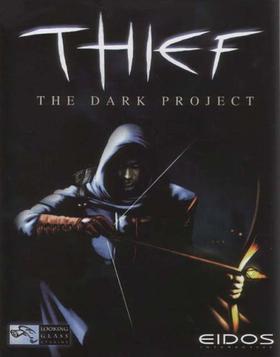
One of the first true first-person stealth games, built around a light-gem, sound, and shadow system rather than combat. It essentially defined the 'immersive sim' stealth blueprint later games copied.

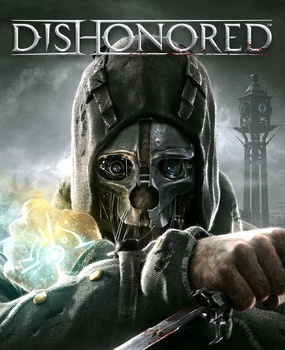
An immersive sim where powers like Blink and possession make every level solvable a dozen ways, and its Chaos system reacts to how much you kill. It collected over 100 Game of the Year awards in 2012–2013, including the BAFTA Best Game.

Turned Metal Gear stealth into a genuine open-world sandbox with a reactive enemy AI and base-building. Its moment-to-moment infiltration is among the most praised in the genre despite a famously unfinished story.

Long regarded as the peak of the classic Hitman formula, with elaborate sandbox levels built around disguises and 'accidental' kills. Its notoriety and weapon-upgrade systems set the standard the modern trilogy revived.

Broadly considered the best Splinter Cell, with dynamic light-and-sound meters and open-ended paths. Its co-op mode and knife-based takedowns were a leap over its predecessors.

Rebooted Agent 47 into huge, replayable sandbox levels like Sapienza that became the foundation of the World of Assassination trilogy. Critics praised its episodic maps as some of the best-designed in stealth.

The PlayStation entry that brought cinematic stealth to the mainstream, with alert states, radar, and boss fights that broke the fourth wall. It shipped over six million copies and codified 'tactical espionage action.'

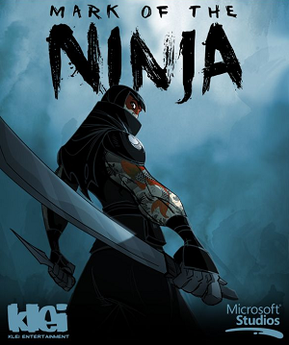
Often called the best 2D stealth game, it makes sound and line-of-sight legible on a side-scrolling plane. Its clean systems earned wide critical acclaim and a later remastered edition.

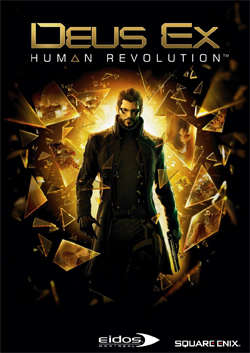
Revived the Deus Ex immersive sim with augmentation-driven stealth, hacking, and multiple routes through every objective. It's remembered fondly despite criticized boss fights that forced combat.
Fixed the original's repetition with Ezio, Renaissance Italy, and deeper social-stealth crowds. It's frequently named the high point of the series' stealth-and-parkour era.

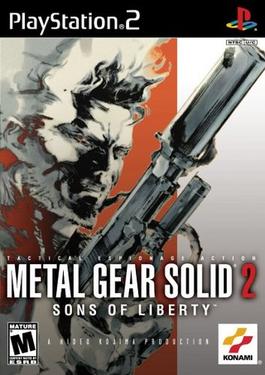
A major mechanical leap with smarter guard AI, first-person aiming, and hostage tactics. Its infamous Raiden twist divided fans but the stealth systems were state of the art.

One of the first 3D stealth games and arguably the first built entirely around ninja assassination and grappling-hook rooftops. Foundational and atmospheric, though its cameras and controls have aged hard.

A grimy shadow-based stealth game whose graded executions made it a lightning rod for censorship and bans in several countries. Effective and tense, but its one-note brutality limited its range.

Launched a mega-franchise and popularized social stealth and blending into crowds. The mission structure was notoriously repetitive, which the sequels later fixed.

A WWII stealth game loosely based on spy Violette Szabo that drew middling reviews for stiff controls and punishing, trial-and-error design. A curiosity more than a recommendation.

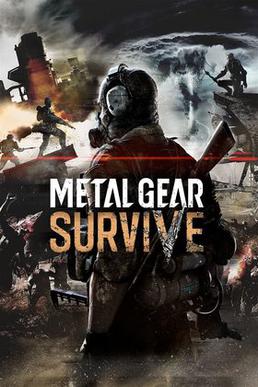
Konami's first post-Kojima Metal Gear was a co-op survival spin-off widely panned for reusing MGSV assets and charging real money (about $10 per slot) for extra save slots. It sits near the bottom of the franchise's reception.
◆ Ranked on Tier Deck · browse all 296 lists · Privacy · Terms