
StarCraft: Brood War
The RTS that built esports
Its 1998 expansion balanced Terran, Zerg, and Protoss so precisely it anchored a pro league in South Korea for over a decade and remains actively played competitively.
One more turn, until the sun comes up.
Its 1998 expansion balanced Terran, Zerg, and Protoss so precisely it anchored a pro league in South Korea for over a decade and remains actively played competitively.

Widely regarded as the peak of the series, with a Leonard Nimoy-narrated tech tree and a Soren Johnson design so tight it defined modern 4X pacing.
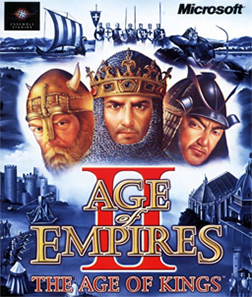
Its 1999 release and 2019 Definitive Edition keep it one of the most-played RTS games on Steam, with an enduring competitive scene and dozens of civilizations added over the years.
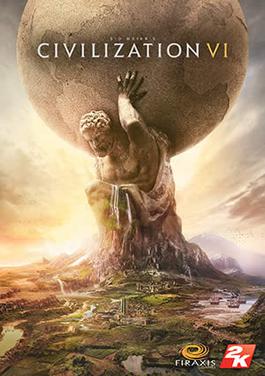
Its district system spread cities across the map and its expansions added climate and governments, making it the best-selling entry in the franchise at over 11 million copies.

Wings of Liberty carried competitive RTS through the 2010s with a polished ladder, and its campaign and co-op modes kept a huge audience.
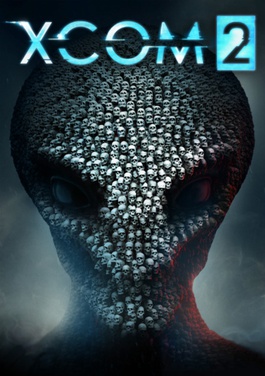
Its 2016 sequel added procedural maps and a mission timer that forced aggression, and War of the Chosen is one of the best-reviewed expansions of the decade.

Paradox turned medieval grand strategy into a character-driven soap opera of murder, marriage, and inheritance, drawing far beyond the usual strategy audience.
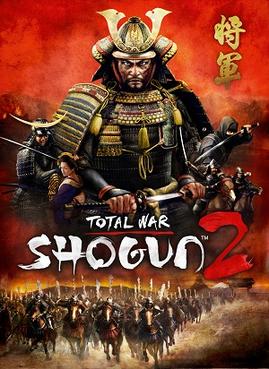
Its focused feudal-Japan setting and refined turn-based-plus-real-time battles are frequently cited as the series' high point, topping PC Gamer's ranking of the series.

Its 2002 hero-and-upkeep design reshaped the RTS, and its map editor birthed Defense of the Ancients, the seed of the entire MOBA genre.

The FTL team's mech tactics game shows every enemy move in advance, turning each mission into a solvable puzzle with almost no hidden information.

Its 2006 WWII engine introduced destructible cover and squad suppression that made positioning matter more than raw unit count.

A well-loved AoE spinoff that swapped civilizations for Greek, Egyptian, and Norse pantheons with unique myth units and one-time god powers.

Its 2000 alternate-history war paired fast base-building with over-the-top FMV, becoming the beloved face of the C&C franchise.

Paradox's space grand-strategy blends exploration with empire management, though its endgame can bog down into micromanagement and lag.

Its 2013 launch was marred by broken AI and performance bugs; years of patches eventually rescued it, but the reputation stuck.

It gutted base-building for a mobile Crawler system and forced an always-online connection, alienating fans and closing out the series on a sour note.

Its 2020 release shipped with missing promised features, overwrote the classic client, and holds one of the lowest user scores on Metacritic.
◆ Ranked on Tier Deck · browse all 296 lists · Privacy · Terms