
Resident Evil 4
The genre-defining reinvention
Its over-the-shoulder camera redefined action horror and influenced countless third-person games; widely cited among the greatest games ever made.
Save your ammo. Not everything here survived the ranking.
Its over-the-shoulder camera redefined action horror and influenced countless third-person games; widely cited among the greatest games ever made.
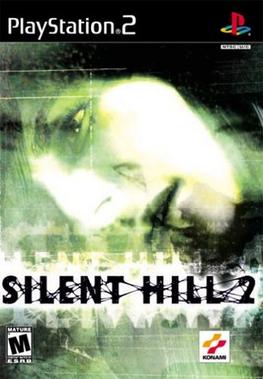
Its fog-drenched town and James Sunderland's guilt-driven narrative set the benchmark for psychological horror storytelling in games.
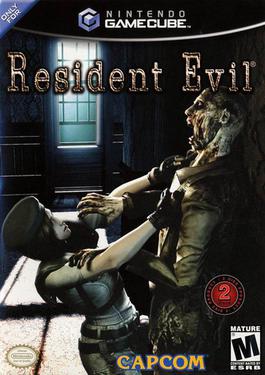
The 2002 GameCube remake rebuilt the original Spencer Mansion with stunning pre-rendered visuals and added Crimson Heads, and is considered one of the best remakes ever.
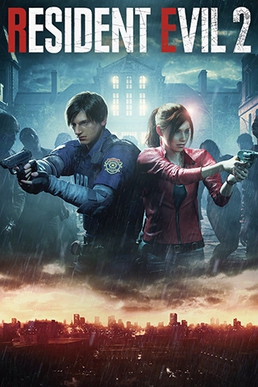
Capcom's RE Engine remake reimagined Raccoon City with modern controls and a relentless Tyrant, selling over 10 million copies.
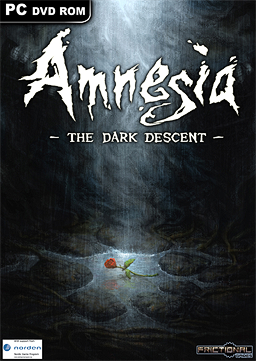
Frictional Games' hide-and-survive design with a sanity meter helped launch the modern first-person horror boom and the Let's Play era.

Its strategic dismemberment combat and diegetic UI aboard the USG Ishimura made it one of the sharpest sci-fi horror games ever.

Capcom's first-person, VR-capable pivot returned the series to intimate dread with the Baker family and revitalized the franchise.
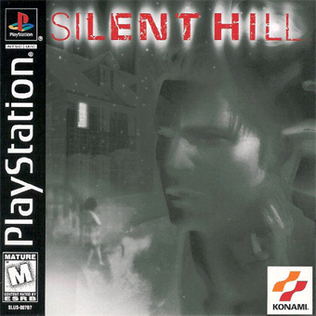
The 1999 original pioneered psychological horror and used foggy streets partly to mask PlayStation draw distance, birthing an icon.
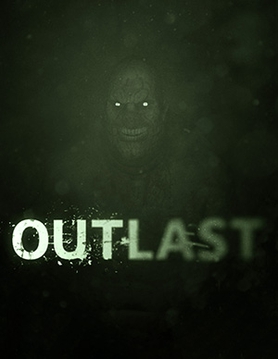
Set in the Mount Massive Asylum, its defenseless night-vision chase gameplay made it a streaming-era horror sensation.

Its adaptive AI Alien that learns your habits and faithful recreation of Ridley Scott's 1979 aesthetic delivered sustained terror.
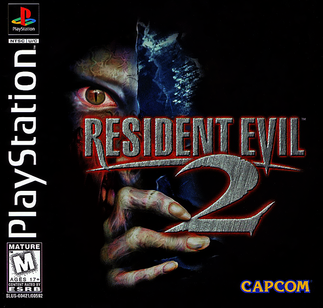
Its intertwined Leon and Claire scenarios and Raccoon City Police Station cemented the series' golden formula.
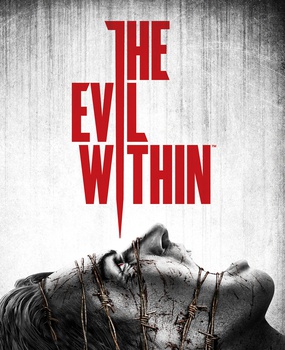
The RE4 creator's grisly, reality-warping thriller mixed stealth, traps, and scarcity into a divisive but memorable package.
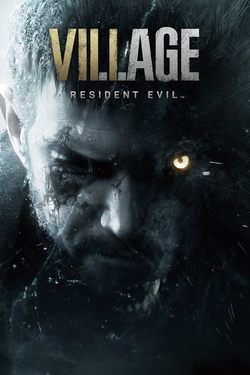
The RE7 sequel blended action and horror across four distinct lords and produced a breakout internet-famous villain.
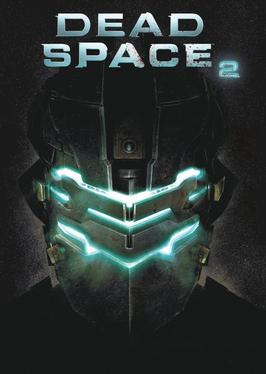
A bigger, more cinematic sequel set on the Sprawl that widened the scope while keeping the necromorph horror intact.

Its fourth-wall-breaking sanity effects fake-deleted your save and pretended the TV died, a cult GameCube innovation.

Its Camera Obscura combat and Japanese folk-horror village made it a standout of the genre's early-2000s peak.

The Double Helix-developed entry leaned into combat and drew criticism for straying from the series' psychological roots.

Its bloated four-campaign structure and set-piece overload alienated fans who wanted survival horror over blockbuster spectacle.
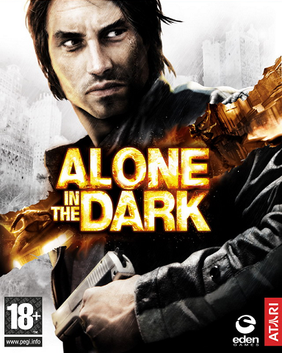
The reboot's clunky inventory, wonky driving, and buggy episodic structure squandered its innovative ideas.

This Vita spin-off ditched psychological horror for isometric multiplayer loot grinding, betraying everything the series stood for.
◆ Ranked on Tier Deck · browse all 296 lists · Privacy · Terms