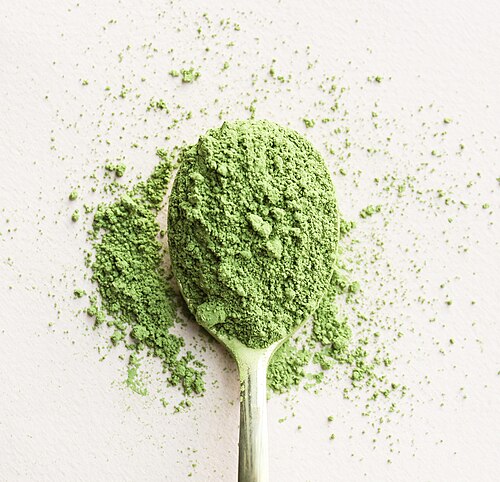
Shade-grown Japanese green tea leaves ground into a fine powder and whisked whole, so you drink the entire leaf and get more antioxidants and L-theanine than steeped tea. Central to the Japanese tea ceremony and now a global cafe staple.
Steeped, judged, and served without milk.
Shade-grown Japanese green tea leaves ground into a fine powder and whisked whole, so you drink the entire leaf and get more antioxidants and L-theanine than steeped tea. Central to the Japanese tea ceremony and now a global cafe staple.
The most popular tea in Japan, steamed rather than pan-fired for a fresh, grassy, umami-rich cup. Endlessly drinkable and packed with catechins.
Black tea scented with oil from the bergamot orange, giving it a distinctive citrus-floral aroma that defined British afternoon tea. Versatile enough to drink black, with milk, or as a London Fog latte.
Black tea simmered with milk, sugar, and spices like cardamom, ginger, cinnamon, and clove, sold on every street corner in India. The blueprint for the global chai latte.
Green (sometimes white) tea scented by layering with jasmine blossoms overnight, a technique perfected in China's Fujian province. Delicately floral without any added flavoring.
Partially oxidized between green and black, producing an enormous range from light and floral to dark and roasted. Prized in Taiwanese and Fujianese tea culture and famously good for multiple infusions.
Grown in northeast India, this malty, full-bodied black tea is the base of most English and Irish Breakfast blends. Strong enough to stand up to milk and sugar.
A muscatel, lightly oxidized black tea grown high in the West Bengal Himalayas, protected by geographical indication. Its delicate character sets it apart from heavier black teas.
A fermented dark tea from Yunnan, China, that is aged for years and can be sold as pressed cakes. The earthy, sometimes challenging flavor is an acquired taste that collectors chase.
The least processed tea, made from young buds and leaves that are simply withered and dried, giving a subtle, sweet, low-caffeine cup. Silver Needle is the prized grade.
A herbal infusion of peppermint leaves, technically a tisane rather than true tea. Refreshing, naturally caffeine-free, and a reliable after-dinner digestive.
A naturally caffeine-free herbal tea from the South African fynbos, with a sweet, nutty, red-brown brew. A dependable evening alternative to true tea.
A tisane brewed from dried chamomile flowers, apple-scented and mildly floral, long associated with relaxation and sleep. The default nightcap for tea drinkers avoiding caffeine.

A Taiwanese invention of tea, milk, and chewy tapioca pearls, wildly popular worldwide. Delicious but heavily sweetened, making it a treat rather than a proper cup of tea.
A caffeine-rich infusion of Ilex paraguariensis leaves, traditionally sipped through a metal straw from a shared gourd across Argentina, Uruguay, and Paraguay. Bracingly bitter and an acquired taste for outsiders.
A ruby-red tisane brewed from dried hibiscus calyces, known as agua de Jamaica or karkade. Vividly sour and best served iced, though polarizing hot.
Black tea brewed strong and loaded with sugar while hot, then served over ice, a fixture of the Southern United States. Beloved regionally but essentially a sugar delivery system.
Spray-dried tea extract mixed instantly into water, often pre-sweetened and flavored. Convenient but flat and stale compared to any brewed leaf.
Sweetened tea fermented by a symbiotic culture of bacteria and yeast into a fizzy, sour drink. Barely recognizable as tea, and the tangy, acetic flavor divides even its fans.
◆ Ranked on Tier Deck · browse all 296 lists · Privacy · Terms