
Mario
Gaming's global mascot
Nintendo's plumber is the best-selling video game character of all time and the face of the industry since 1981, with the Mario franchise selling over 800 million units.
The avatars that made a whole medium iconic.
Nintendo's plumber is the best-selling video game character of all time and the face of the industry since 1981, with the Mario franchise selling over 800 million units.

The electric mascot of the highest-grossing media franchise on earth, Pikachu transcended games into anime, film, and a global merchandising empire.

The silent green-clad hero of The Legend of Zelda since 1986, anchoring some of the most critically acclaimed games ever, including Ocarina of Time and Breath of the Wild.

Created in 1991 as Sega's answer to Mario, Sonic defined the 16-bit console wars and remains one of the most recognizable mascots in entertainment.
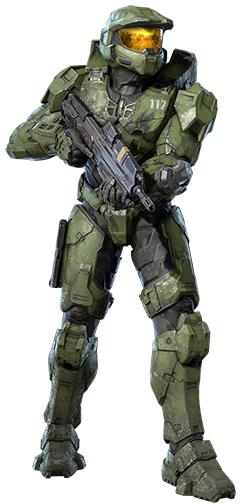
The stoic super-soldier of Halo (2001) became the definitive Xbox icon and a system-selling face for an entire console brand.

The 1980 maze-chomper is arguably gaming's first mascot, breaking arcade records and becoming a pop-culture symbol featured everywhere from cartoons to the Smithsonian.

The rage-fueled antihero of God of War evolved from Greek-myth destroyer to nuanced father; his 2018 reboot won Game of the Year, and 2022's Ragnarök swept the most awards at that year's Game Awards.

The archaeologist of Tomb Raider (1996) was a groundbreaking female protagonist, holding a Guinness record as the most successful human video-game heroine and spawning hit films.
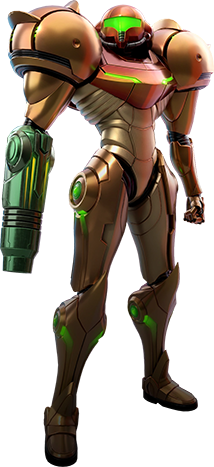
Metroid's armored bounty hunter (1986) delivered one of gaming's most famous twists and pioneered the exploratory 'Metroidvania' genre that still shapes design today.

Hideo Kojima's soldier defined the stealth genre through Metal Gear Solid, blending cinematic storytelling with gameplay in ways that reshaped the medium's ambitions.
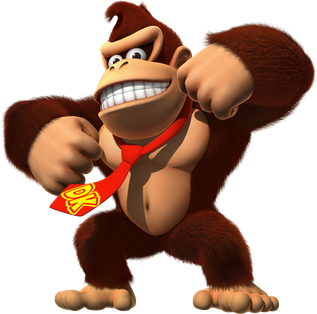
The 1981 arcade villain who introduced Mario, DK later became a beloved star of his own platforming series and a Nintendo mainstay.

HAL Laboratory's copy-ability hero (1992) is one of Nintendo's most enduring and approachable mascots, headlining dozens of games across three decades.

The spiky-haired mercenary of Final Fantasy VII (1997) helped make Japanese RPGs a global phenomenon and remains a fan-favorite of the PlayStation era.

The monster-hunting protagonist of The Witcher 3 anchored a 2015 Game of the Year winner and helped push mature, story-driven RPGs into the mainstream.

Introduced in Super Mario World (1990), the friendly green dinosaur became popular enough to headline his own puzzle and platform franchises.

Naughty Dog's marsupial was Sony's unofficial mascot in the mid-1990s, defining early PlayStation platforming before fading and later returning in remasters.

Street Fighter's disciplined martial artist and his Hadouken became the template for the entire fighting-game genre since 1987.

The spiky Koopa King has been Mario's nemesis since 1985, making him one of the most recognizable antagonists in all of gaming.

Uncharted's wisecracking adventurer became a flagship PlayStation hero, praised for cinematic set-pieces and performance-captured acting.
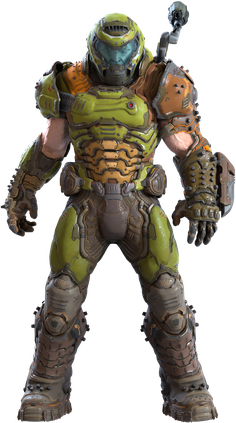
The faceless marine of Doom (1993) helped launch the first-person shooter, though the character himself stayed a silent, personality-light vessel until later reboots.

The charismatic star of the Assassin's Creed II trilogy is a fan-favorite, though he shares the spotlight with a rotating cast across the sprawling series.

The ice-wielding ninja is Mortal Kombat's signature fighter and a recognizable face of the franchise, if narrower in reach than the medium's biggest icons.

Half-Life's mute scientist headlined two era-defining shooters, though his deliberate lack of voice or personality keeps him more concept than character.
◆ Ranked on Tier Deck · browse all 296 lists · Privacy · Terms