
Google Chrome
The undisputed king
Chrome holds roughly 65% of all-device global browser share in 2026 per StatCounter, more than eight times its nearest desktop rival and around 76% of the desktop market, dwarfing every competitor.
Market share meets muscle: every major browser sorted by who actually rules the web.
Chrome holds roughly 65% of all-device global browser share in 2026 per StatCounter, more than eight times its nearest desktop rival and around 76% of the desktop market, dwarfing every competitor.

Safari is the world's second most used browser at about 18% all-device share, riding Apple's ecosystem to roughly 23% of the global mobile market and 36% of tablet browsing.
Distinct from desktop Chrome as the default browser on billions of Android devices, making it one of the most-used browsers on the planet by raw reach. Fast, synced, and ubiquitous.

Now the third most used browser at around 5.4% all-device share and roughly 9% on desktop, Edge is the main driver of Chrome's recent decline on Windows thanks to deep OS integration.

The flagship independent, non-Chromium browser sits near 2.3% all-device share and remains the tech community's trusted choice for an open, privacy-respecting alternative outside the Google/Apple duopoly.

The Browser Company's Chromium-based reimagining of browsing with sidebars, Spaces, and Boosts developed a cult following among power users. Genuinely innovative UX, though the company later pivoted to Dia, capping its trajectory.

Repeatedly cited as a top secure browser by outlets like CloudSEK, Brave blocks ads and trackers by default and loads ad-heavy pages notably faster than Chrome, though its all-device share is under 1%.

By routing traffic through a volunteer relay network, Tor Browser offers the strongest mainstream anonymity available and is the essential tool for journalists, activists, and users under censorship.
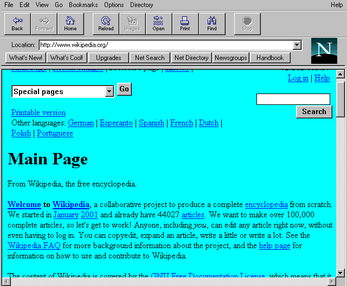
The browser that defined the early web and kicked off the first browser war. Historically monumental and the ancestor of Firefox, but long defunct, so it lands as a nostalgic mid-tier legend.

A pioneering browser holding roughly 2.4% all-device share, Opera bundles a free built-in VPN, ad blocker, and integrated messengers, keeping a loyal following despite never breaking the top tier.
Pre-installed on Samsung Galaxy phones, it holds around 2% all-device share (about 3.5% of mobile) on the strength of deep device integration, biometric logins, and native tracking prevention.

Built by former Opera staff, Vivaldi is the power-user favorite that lets you tweak nearly every part of the UI and navigation, though its share sits well under 0.5%.

A once-popular Chinese browser (formerly MyIE2) known for dual rendering engines and cloud sync. Had real traction in the 2000s and 2010s but faded hard against Chrome.

Russia's dominant Chromium-based browser with Turbo compression and tight Yandex integration. Big regional share, but geopolitical baggage and privacy concerns keep it out of the upper tiers.

Its selling point is tracker blocking that works out of the box with no setup, but the standalone browser remains a minor player with a fraction of a percent of global usage.

Once a mobile powerhouse across Asia, UC Browser has collapsed to roughly 1% share (about 0.6% all-device) amid data-privacy controversies and bans in key markets like India.

KDE's file-manager-slash-browser gave the world the KHTML engine that seeded WebKit and thus Safari and Chrome. Enormously influential under the hood, but virtually no one actually browses with it today.

Notorious for chronic security holes that let malware infect users from a single webpage, Internet Explorer was officially retired on June 15, 2022, and long ago became the punchline of the browser world.
◆ Ranked on Tier Deck · browse all 296 lists · Privacy · Terms