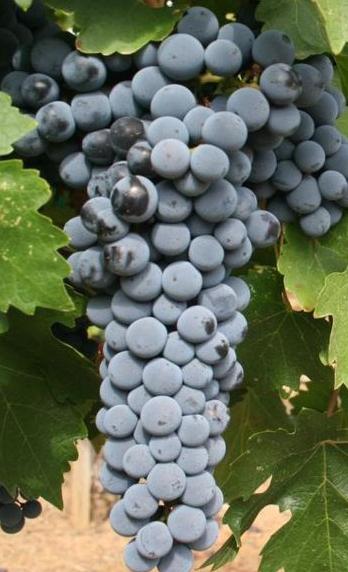
Cabernet Sauvignon
The king of reds
The most widely planted wine grape on earth, anchoring Bordeaux blends and Napa cult wines with structured tannins that age for decades.
From noble Bordeaux to bottled regret
The most widely planted wine grape on earth, anchoring Bordeaux blends and Napa cult wines with structured tannins that age for decades.

Notoriously thin-skinned and hard to grow, it produces the ethereal reds of Burgundy that rank among the most expensive wines in the world.
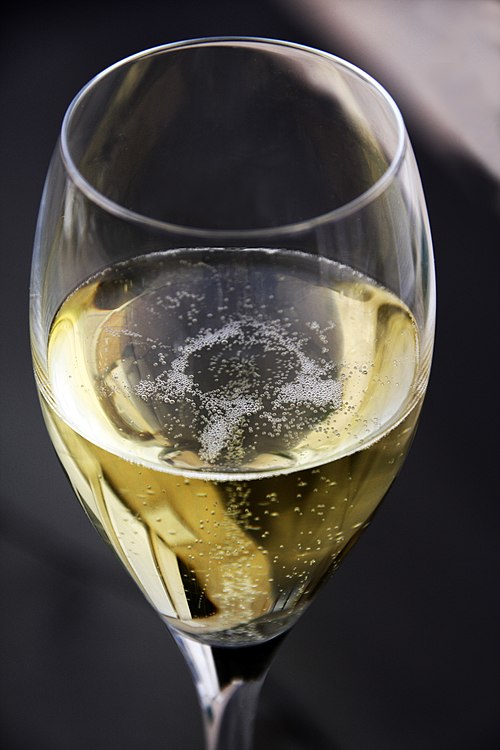
The benchmark sparkling wine, made only in its namesake French region by the labor-intensive methode champenoise with a mandatory second fermentation in bottle.

Germany's signature grape spans bone-dry to lusciously sweet, with racy acidity that lets it age gracefully and pair with almost anything.

Delivers dark, peppery, full-bodied reds in France's Rhone Valley and, as Shiraz, Australia's blockbuster Barossa bottlings.

The grape behind Barolo and Barbaresco, prized for high tannin and acidity that reward long cellaring in Italy's Piedmont.

From steely unoaked Chablis to buttery Napa styles, it is the world's most versatile white and a pillar of white Burgundy and Champagne.

The backbone of Chianti and Brunello di Montalcino, offering bright cherry fruit and savory acidity built for the dinner table.

Spain's flagship red ages beautifully in American oak, producing the leathery, vanilla-tinged wines of Rioja and Ribera del Duero.

Crisp and aromatic with grassy, citrus notes, it defines Loire Sancerre and put New Zealand's Marlborough on the map.

Once a minor Bordeaux blending grape, it found its true home in high-altitude Mendoza, yielding plush, inky, crowd-pleasing reds.

A heat-loving grape central to Chateauneuf-du-Pape and Spanish Garnacha, giving juicy red fruit and high alcohol.

Smooth and approachable, it forms the majority of many Bordeaux right bank blends including Petrus, though the film Sideways badly dented its reputation.

California's historic red delivers bold, high-alcohol berry flavors, though its identity is muddied by the sweet White Zinfandel spinoff.

Wildly popular as a light, crisp Italian white, but often produced as an inoffensive, neutral wine with little character.

Made by the cheaper tank (Charmat) method, this fruity Italian sparkler is fun and affordable but lacks the depth of true Champagne.

Low-alcohol and grapey-sweet, it is an easy gateway wine that serious drinkers rarely take seriously.

A sweet pink accident born from a stuck fermentation in the mid-1970s, it flooded the market and became shorthand for cheap, cloying wine.

Bulk-produced plonk sold in a plastic bladder, prized for convenience and volume rather than any pretense of quality.
◆ Ranked on Tier Deck · browse all 296 lists · Privacy · Terms