
Tokyo
Japan
The world's largest metropolitan area at ~37 million people, yet famed for trains that run to the minute and for holding more Michelin stars than any other city on Earth. A near-impossible fusion of scale, safety, and precision.
The great cities of the world, sorted by the ruthless calculus of scale, beauty, safety, and soul.
The world's largest metropolitan area at ~37 million people, yet famed for trains that run to the minute and for holding more Michelin stars than any other city on Earth. A near-impossible fusion of scale, safety, and precision.

One of the most visited cities on the planet, home to the Louvre — the world's most visited museum at roughly 8–9 million visitors a year — and an unmatched concentration of art, cuisine, and architecture. The global benchmark for beauty.

A leading global financial and cultural capital, home to Wall Street, Broadway, and the UN headquarters. Its 24/7 subway and relentless density make it the definitive global city.

A global financial hub with four UNESCO World Heritage Sites and the world's oldest underground railway, opened in 1863. Centuries of history stacked beside cutting-edge finance and theatre.

Consistently ranked among the world's safest and cleanest cities, with Changi Airport repeatedly voted the best on Earth by Skytrax. A hyper-efficient garden city, though famously strict.
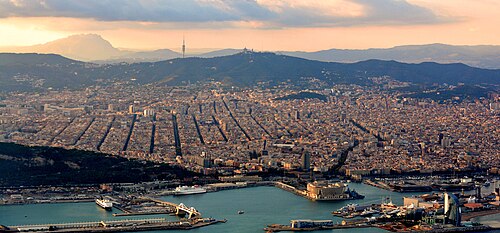
Gaudi's still-unfinished Sagrada Familia and a Mediterranean beachfront make it a rare city that pairs world-class architecture with sun and sea. Vibrant, walkable, and endlessly photogenic.
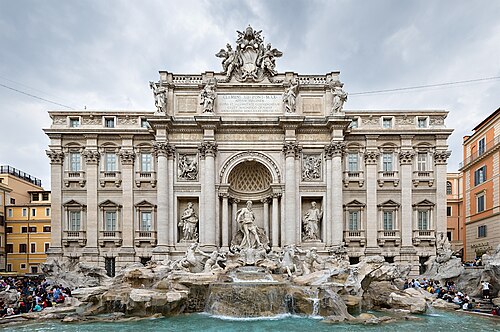
An open-air museum where the Colosseum and Pantheon sit blocks from Vatican City. Nearly 3,000 years of history layered into one chaotic, delicious capital.

A dramatic skyline against Victoria Harbour with more skyscrapers than any city on Earth, backed by the highly efficient MTR metro. Dense, dynamic, and utterly unique.

The Opera House and Harbour Bridge frame one of the world's great natural harbours, paired with beaches like Bondi. Perennially near the top of global livability rankings.

The largest city straddling two continents, where the Hagia Sophia and Grand Bazaar bridge Europe and Asia. Immense history, though traffic and sprawl weigh it down.

Its 17th-century canal ring is a UNESCO World Heritage Site and it is one of the most bike-friendly cities on Earth. Charming and liberal, if increasingly overrun by tourists.

A reunified capital that turned Cold War scars into one of the world's most influential nightlife and art scenes. Gritty and affordable, but still catching up on infrastructure.

Home to the Burj Khalifa, the tallest building on Earth, and a byword for engineered luxury in the desert. Spectacular but artificial, with brutal summer heat.

One of the largest cities in the Americas, with a food scene that earned it global culinary acclaim and a stunning historic center. Vast and vibrant, if plagued by traffic.

Topped global rankings as the world's most visited city in several pre-pandemic years, famous for street food and ornate temples. Electric energy undercut by notorious gridlock and pollution.

Copacabana, Christ the Redeemer, and Carnival make it one of the world's most beautiful settings. Stunning scenery held back by persistent crime and inequality.
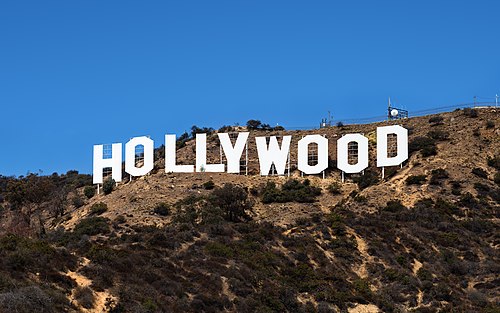
The entertainment capital of the world and home to Hollywood, but its car-dependent sprawl and traffic routinely rank among the worst in the country.

Gateway to the Pyramids of Giza and a millennia-old cultural giant, but choked by some of the world's worst air pollution and traffic. History outpaces livability.

Repeatedly ranked among the world's least livable cities by the EIU, scarred by decades of war and severe restrictions under Taliban rule. A capital in crisis.

For years one of the most dangerous cities on Earth by homicide rate, ravaged by hyperinflation and economic collapse. A tragic fall from oil-boom prosperity.
◆ Ranked on Tier Deck · browse all 296 lists · Privacy · Terms