
Ocarina of Time
1998 · N64
Widely considered one of the greatest games ever made; it defined 3D action-adventure with Z-targeting and holds a 99 on Metacritic, still the highest-rated game on the site.
Every Zelda game, from the untouchable classics to the CD-i disasters.
Widely considered one of the greatest games ever made; it defined 3D action-adventure with Z-targeting and holds a 99 on Metacritic, still the highest-rated game on the site.

Reinvented open-world design with total freedom and physics-driven exploration, winning Game of the Year at The Game Awards 2017 and selling over 30 million copies.

The blueprint for 2D Zelda, introducing the parallel Light and Dark Worlds and a template dungeons followed for decades.

A darker, denser follow-up built on a repeating three-day clock, praised for its ambition and emotional weight despite dividing players at launch.
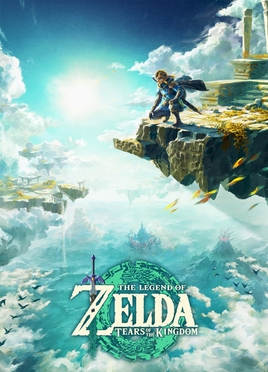
Expanded Breath of the Wild with Ultrahand building and a vast sky-and-depths map, earning near-universal acclaim and multiple Game of the Year nominations.

Its cel-shaded art has aged beautifully and its sailing world is charming, held back slightly by the padded Triforce fetch quest.

A darker, cinematic entry with strong dungeons and the wolf mechanic; at roughly 8.85 million copies it was the best-selling Zelda game before Breath of the Wild.
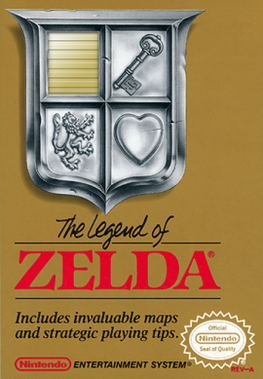
The original that started it all, pioneering open exploration and a game-defining sense of discovery; its NES cartridge helped popularize battery-backed saves.
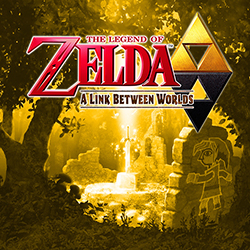
A clever sequel to A Link to the Past whose rentable-item and wall-merging mechanics freed up dungeon order; critically adored.
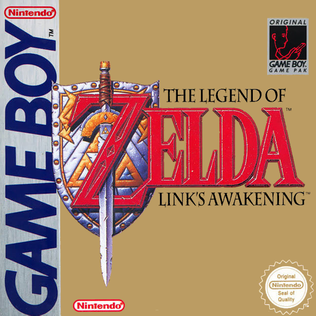
A surprisingly deep handheld adventure with a dreamlike story and memorable dungeons, later remade to acclaim in 2019.
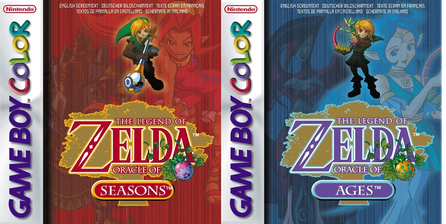
A linked pair developed by Flagship, a Capcom subsidiary, with clever time and season puzzles; strong but slightly overshadowed by their console siblings.

A polished entry developed by Flagship/Capcom with a fun shrinking gimmick and kinstone fusion, widely regarded as one of the best 2D Zeldas.
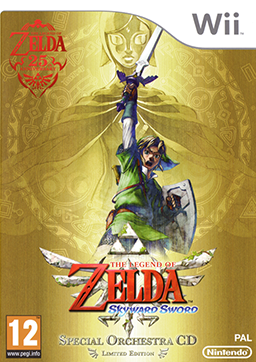
Beautiful art and tight dungeon design undercut by mandatory motion controls and heavy hand-holding; smoother in the 2021 HD re-release.

A fun multiplayer-focused spin on 2D Zelda, but its reliance on Game Boy Advance link cables made it awkward to actually play.

An inventive stylus-only control scheme with charm, dragged down by the repetitive, backtracking Temple of the Ocean King.
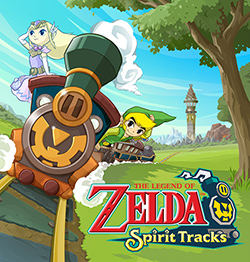
A likable train-riding follow-up to Phantom Hourglass, but the fixed rail routes limit exploration and the flute controls frustrate.
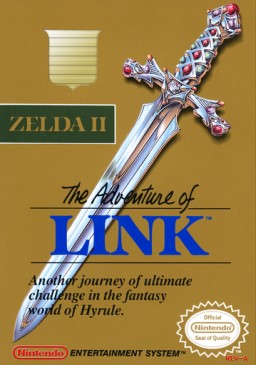
A radical side-scrolling, RPG-leaning departure that many find brutally difficult; the black sheep the series never repeated.

Link: The Faces of Evil and Zelda: The Wand of Gamelon (both 1993), plus Zelda's Adventure (1996), were officially licensed by Nintendo but developed by Philips' studios without Nintendo's involvement, infamous for shoddy animation and cutscenes.
◆ Ranked on Tier Deck · browse all 296 lists · Privacy · Terms